
Custom Shirt Ordering in Australia: The Complete Guide for Businesses and Resellers
Everything Australian businesses and resellers need to know about ordering custom shirts — from decoration methods to MOQs and supplier selection.

Written by
Darcy Flynn
Custom Apparel
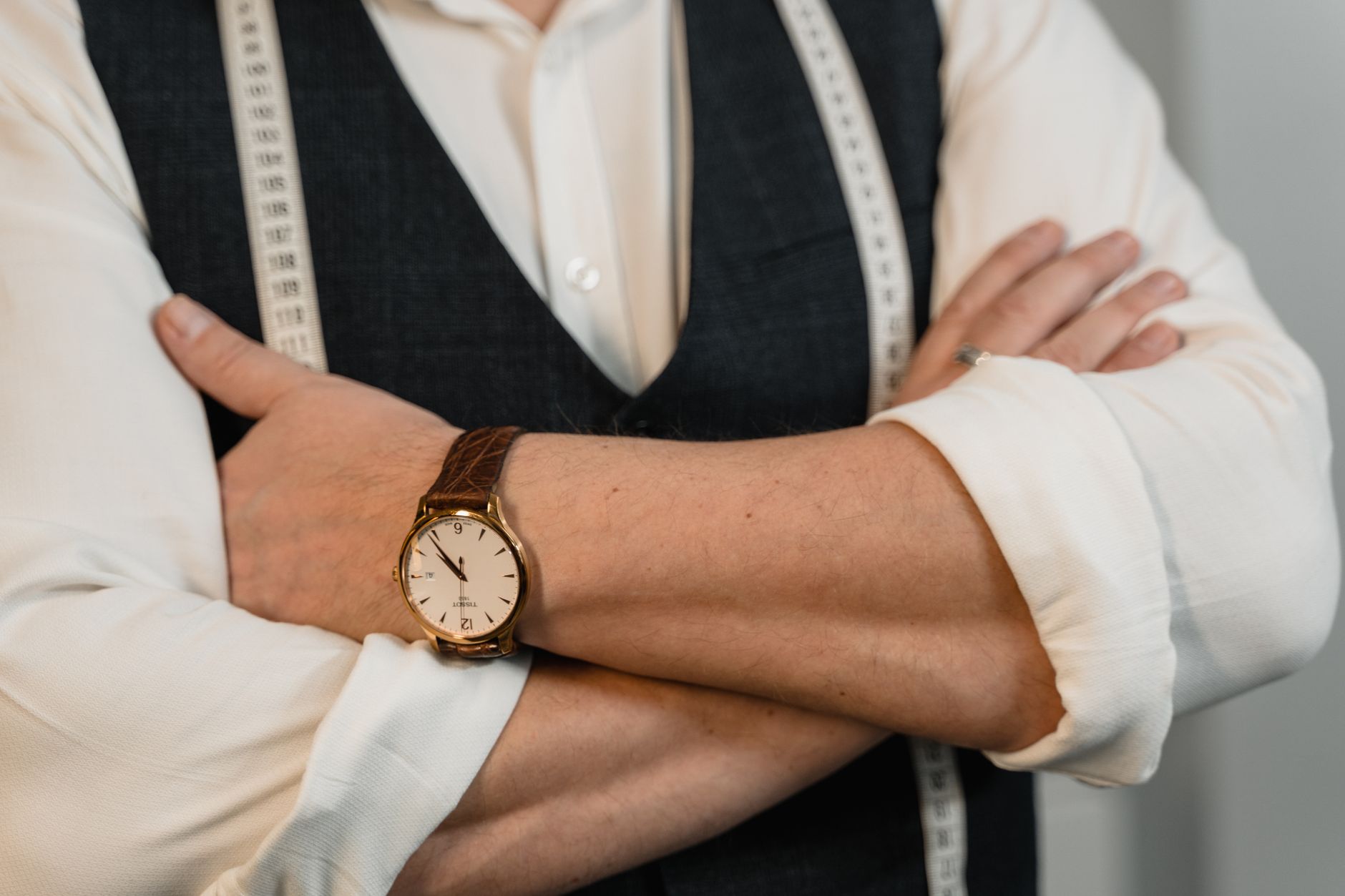
Choosing the right custom shirt for your brand, event, or client project is one of the most impactful merchandising decisions you can make. Whether you’re a marketing agency briefing a bulk uniform order for a Sydney corporate client, a Gold Coast reseller managing seasonal merch drops, or a Melbourne business pulling together branded workwear for your team, the details matter enormously. Get them right and your shirts become walking billboards. Get them wrong and you’re left with boxes of poorly decorated garments that nobody wants to wear. This guide walks you through everything you need to know — from selecting the right blank shirt to choosing your decoration method, understanding pricing, and managing the project from brief to delivery.
Why the Custom Shirt Remains Australia’s Most Popular Branded Garment
It’s no accident that the humble T-shirt and polo have dominated the promotional products industry for decades. They’re versatile, cost-effective, and genuinely useful — which means recipients actually wear them. A well-designed custom shirt can generate thousands of impressions over its lifetime, making it one of the highest-returning promotional investments available to any organisation.
In Australia’s warm climate, particularly in cities like Brisbane, Perth, and Darwin, lightweight branded shirts are year-round workhorses. But even in Melbourne and Hobart where cooler months call for layering, branded polos and button-ups find their place in corporate environments, trade shows, and hospitality settings.
For resellers managing multiple client accounts, shirts consistently rank among the top three items by volume. Understanding how to source them efficiently, advise clients confidently, and manage quality across large orders separates average suppliers from excellent ones. Our comprehensive overview of T-shirts and polos is a great starting point if you want to explore the full range of garment options available through Australian suppliers.
Selecting the Right Shirt Style for the Brief
Not every custom shirt project is the same. The garment style you recommend — or choose for your own brand — should be driven by the use case, the end wearer, and the decoration method you plan to use.
T-Shirts: The Everyday Essential
Classic T-shirts are the go-to for events, giveaways, school camps, volunteer days, and casual workplace environments. They suit screen printing extremely well, thanks to their flat, printable surface. Standard cotton or cotton-poly blends in 180–200gsm are the sweet spot for durability and print quality.
Fit matters more than most people realise. Fitted cuts, relaxed cuts, and unisex cuts will all look and sit differently on a diverse workforce. Always request samples — especially when ordering 100+ units for a client.
Polo Shirts: Corporate and Hospitality Staples
Polo shirts carry a more professional connotation, making them popular in corporate offices, retail environments, healthcare settings, and trade shows. They suit both embroidery and sublimation decoration, and they’re available in moisture-wicking performance fabrics for industries like facilities management, construction, and events.
Other Shirt Styles Worth Knowing
Beyond T-shirts and polos, you’ll encounter requests for button-up shirts, hi-vis shirts for construction and logistics environments, and long-sleeve variants for sun protection. If you’re advising clients in Queensland or the Northern Territory, UV-rated and vented shirts are practical considerations worth raising.
For broader branded apparel planning, it’s also worth exploring options like varsity team jackets for sporting clients, or trucker cap hats as complementary items to round out a merch package.
Decoration Methods: Matching the Technique to the Garment
The decoration method you choose will affect how the finished custom shirt looks, feels, and holds up over time. Each technique has its strengths and trade-offs.
Screen Printing
Screen printing is the most widely used method for T-shirt decoration in Australia, and for good reason. It produces vibrant, durable prints that can last the lifetime of the garment when applied properly. It’s cost-effective at scale, particularly for runs of 50 units or more, and ideal for designs with solid colours and defined edges.
The trade-off is setup cost — each colour in a design requires a separate screen, and setup fees can make low-volume runs expensive per unit. For orders under 24 pieces, digital printing is often more economical.
Embroidery
Embroidery is the standard for polo shirts, corporate workwear, and any garment destined for a professional environment. It adds texture and perceived quality that printed alternatives simply can’t replicate. It works well on chest logos, sleeve branding, and cap fronts.
Consider that embroidery isn’t ideal for designs with very fine detail, gradients, or photographic elements. A bold logo with clean lines will always look better in thread than a complex multi-colour illustration.
Sublimation
Dye-sublimation printing allows full-colour, edge-to-edge decoration across the entire garment. It’s particularly popular for sportswear, cycling jerseys, and event uniforms where the design needs to wrap around the whole shirt. Sublimation is only compatible with 100% polyester garments, which is an important detail to confirm with clients early in the brief.
Heat Transfer and Digital Transfer
Heat transfer methods — including DTG (direct-to-garment) and digital heat transfers — offer flexibility for smaller runs, photographic artwork, or designs with many colours. DTG in particular has improved dramatically in quality over recent years and can be a smart option for short-run or personalised orders.
For a deeper understanding of how these approaches compare across different product categories, our quality guide to rotary engraving for promotional products offers useful context on how decoration craft affects the final result across a range of items.
Understanding MOQs, Pricing, and Lead Times
One of the most common points of confusion for businesses and new resellers is understanding how minimum order quantities (MOQs), pricing tiers, and turnaround times interact.
Typical MOQs for Custom Shirts
- Screen printed T-shirts: Most Australian suppliers set MOQs at 12–24 units per colour/design, though some offer no-MOQ digital printing for small runs at a premium.
- Embroidered polos: Often 12 units minimum, with pricing improving significantly at 50, 100, and 250 units.
- Sublimated garments: MOQs can be as low as 1 unit for some suppliers, though 12–24 is more typical for competitive pricing.
Budgeting Across Price Tiers
Per-unit pricing drops considerably as quantities increase. A basic screen-printed T-shirt might cost $22–$28 per unit at 24 pieces but drop to $10–$15 at 250 pieces. Always present clients with tiered pricing so they can make an informed decision about volume versus budget.
Don’t forget to factor in setup fees (typically $30–$80 per colour for screen printing), freight costs (especially relevant for heavy garment orders going to regional areas), and GST. For Perth, Darwin, and Hobart deliveries, freight from eastern seaboard suppliers can add meaningful cost to smaller orders.
Turnaround Times to Communicate
Standard turnarounds for decorated shirts range from 10–15 business days after artwork approval. Rush orders can often be accommodated in 5–7 business days at a premium. If you’re managing a time-critical project, check out our resource on same-day promotional product printing in Darwin for insight into what’s possible under tight timelines.
Artwork Preparation: Getting It Right the First Time
Poorly prepared artwork is the single biggest cause of delays and disappointing results on custom shirt orders. As a reseller or marketing agency, your ability to brief artwork correctly reflects directly on your professional reputation.
Key artwork requirements for most decoration methods:
- Vector files (.AI or .EPS) for screen printing and embroidery — scalable without quality loss
- High-resolution raster files (300dpi minimum) for digital and heat transfer methods
- PMS colour references if colour accuracy is critical — particularly important for corporate brand guidelines
- Clear placement guides indicating where on the garment the logo should sit, and approximate size in centimetres
Always request a digital proof before approving production, and confirm the proof with your client in writing. This protects you from disputes and ensures everyone has seen and approved exactly what will be produced.
Pairing Custom Shirts with Complementary Merchandise
A custom shirt rarely exists in isolation. Whether you’re building a trade show kit, a new employee welcome pack, or a seasonal client gift, pairing shirts with complementary items creates a more memorable and cohesive brand experience.
Popular pairings include:
- Branded drinkware — check out our guide on water bottle printing and sport water bottles for ideas
- Branded bags — tote bags with zippers or reusable shopping bags pair well with event or retail merchandise
- Tech accessories — items like solar power banks or a USB-A charger add real practical value to a corporate pack
- Eco-focused items — for environmentally conscious brands, browse reusable promotional items for environmental organisations or our roundup of reusable marketing giveaways in Australia
For resellers operating in Queensland, the wholesale promotional products guide for the Gold Coast is a helpful resource for building out complete merchandise packages at competitive prices.
Tips for Resellers Sourcing Custom Shirts at Scale
If you’re a reseller managing multiple client accounts, a few operational habits will save you time and protect your margins.
Build a preferred supplier list. Not every supplier excels at every product. Identify two or three reliable shirt decorators you trust for different use cases — one for volume screen printing, one for quality embroidery, one for sublimation or speciality work.
Maintain a sample wardrobe. Having physical samples of your most recommended blank garments in different sizes and fabrics lets you confidently advise clients without surprises. It also helps close orders faster.
Understand seasonal demand. Orders spike ahead of school terms, EOFY, Christmas, and major sporting seasons. Build lead time buffers into client projects accordingly. Our guide to winter branded gifts for customers offers useful seasonal planning context.
Stay across brand trends. Clients increasingly ask about sustainable fabrics, oversized cuts, and premium blank brands. Keeping up with tee brand trends helps you make informed recommendations. For broader context on promotional gear categories, our promotive gear overview is worth bookmarking.
Conclusion: Key Takeaways for Ordering a Custom Shirt in Australia
Whether you’re ordering your first run of branded T-shirts or managing a complex multi-SKU uniform programme across multiple states, success comes down to preparation, supplier relationships, and clear communication. Here’s what to take away from this guide:
- Match the garment to the use case — T-shirts for casual and events, polos for corporate and hospitality, sublimated garments for performance and sportswear
- Choose the right decoration method — screen printing for volume and vibrancy, embroidery for professionalism, sublimation for all-over coverage
- Prepare artwork properly — vector files, PMS references, and written proof approvals protect you and your client
- Understand pricing tiers and MOQs — present clients with volume options so they can make informed budget decisions
- Pair shirts with complementary merchandise — complete kits create a stronger brand impression than standalone items
- Build supplier relationships — reliable decorators who understand your clients’ needs are your most valuable business asset
A great custom shirt order is the result of careful planning, good briefing, and choosing the right partners. Put those elements in place consistently and you’ll build a reputation as the go-to source for branded apparel — whether you’re working with a startup in Adelaide or a national enterprise with offices across every capital city.