
Custom Jerseys in Australia: The Complete Guide for Businesses and Resellers
Everything you need to know about ordering custom jerseys in Australia — decoration methods, MOQs, budgets, and supplier tips for businesses and resellers.

Written by
Darcy Flynn
Custom Apparel
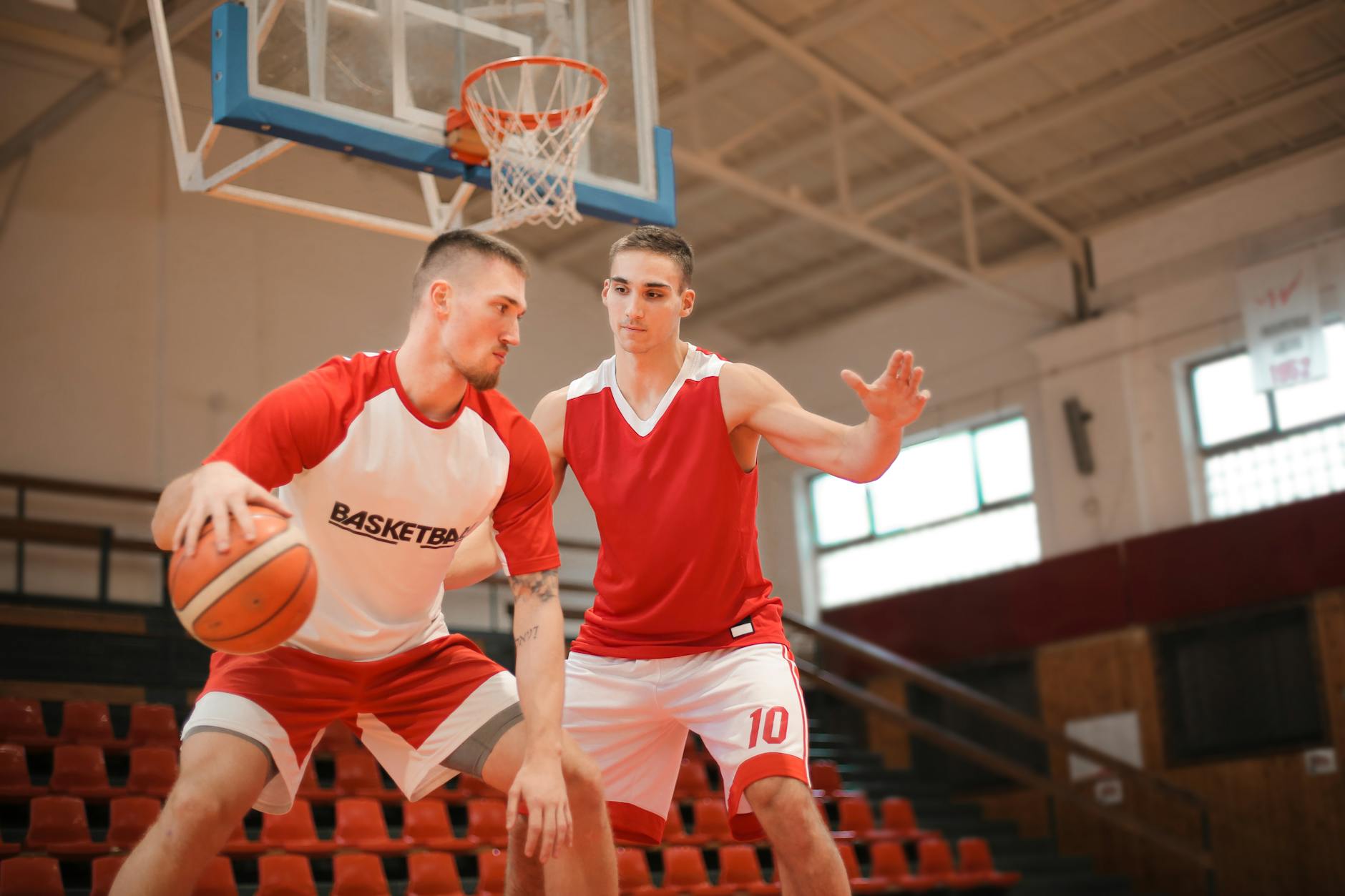
Ordering custom jerseys is one of those decisions that looks straightforward on the surface but quickly reveals layers of complexity once you start digging into the details. Whether you’re a marketing agency sourcing team uniforms for a corporate client, a reseller building out your sportswear offering, or a business looking to outfit your staff in something that actually reflects your brand, getting the brief right from the start can mean the difference between a stunning result and an expensive disappointment. Australia’s custom jersey market has expanded considerably in recent years, driven by demand from sporting clubs, schools, corporate teams, and events — and knowing how to navigate it properly is what separates the professionals from the rest.
What Are Custom Jerseys and Why Do They Matter?
At their core, custom jerseys are performance or casual garments that have been decorated with a specific design, logo, number, or combination of branding elements. They’re distinct from basic branded t-shirts or polos in that they’re typically associated with team identity — think football, netball, basketball, rugby, soccer, cricket, and even esports. But that definition has broadened significantly. Corporate teams ordering matching jerseys for fun runs, charity events, and team-building days now represent a substantial portion of the market.
For resellers and marketing agencies, custom jerseys are an attractive product category because they carry high perceived value. A well-made, fully sublimated jersey with vibrant colours and crisp logos communicates professionalism and pride. They’re also repeat-order products — sporting clubs, schools, and companies tend to come back season after season once they’ve found a reliable supplier and a design they love.
If you’re newer to this product category and building out your apparel offering, it’s worth reading our broader guide on custom t-shirts and polos to understand how jerseys sit within the wider apparel landscape.
Decoration Methods: What Works Best for Jerseys?
This is where a lot of first-time buyers get tripped up. Not all decoration methods are suitable for jerseys, and the substrate (fabric type) often dictates what’s possible.
Sublimation Printing
Sublimation is the gold standard for custom jerseys, and for good reason. The process bonds ink directly into the fabric fibres, producing a result that won’t crack, peel, or fade — even after hundreds of washes. It allows for full-colour, all-over designs with gradients, photographic imagery, and intricate detail that simply can’t be achieved with other methods.
The key limitation is that sublimation only works on polyester or high-polyester-blend fabrics, and it performs best on white or light-coloured base fabric. If your client wants a navy blue jersey with a complex multicolour design, the manufacturer will typically dye the sublimation into white panels and cut-and-sew them into the final garment. This is how most professional sportswear is produced.
For resellers, sublimation jerseys are almost always produced as cut-and-sew custom garments, which means they’re made from scratch to your specifications — including fit, fabric weight, panel layout, collar style, and branding. Minimum order quantities typically start around 10–20 units per design for this method, though some suppliers push their MOQs higher.
Screen Printing
Screen printing can work on jerseys, particularly cotton-blend or athletic mesh fabrics, but it’s better suited to simpler, spot-colour designs. It becomes cost-prohibitive for full-coverage or photographic designs and generally won’t deliver the same level of durability as sublimation on performance fabric. For businesses ordering a basic logo or slogan on the back of a plain jersey, screen printing might be a cost-effective option.
Heat Transfer and DTG
Direct-to-garment (DTG) printing and heat transfer vinyl (HTV) are sometimes used on jerseys for low-quantity runs or personalisation (such as adding individual player names and numbers to a pre-manufactured garment). These methods are practical for short-run customisation but don’t match the longevity of sublimation on performance wear.
Embroidery
Embroidery is rarely used on jerseys due to the stretch nature of the fabric — stitching can pucker and distort on athletic materials. It’s much better suited to polos, caps, and structured garments. If you’re looking at decoration options for other apparel types, check out our guide to rotary engraving for promotional products to understand how engraving fits into the broader decoration landscape.
Key Considerations When Sourcing Custom Jerseys
Fabric and Fit
The fabric you choose will directly influence performance, comfort, and print quality. For sports jerseys, you’re typically looking at 100% polyester or a polyester-spandex blend for stretch and moisture management. For casual or lifestyle jerseys (such as retro-style button-up jerseys), cotton-polyester blends are common.
Fit options usually include standard, slim fit, and women’s cuts. For resellers supplying sporting clubs across Brisbane, Melbourne, or Perth, getting the sizing right is critical — order too small and you’ll face costly reprints or unhappy clients.
Turnaround Times
Custom sublimation jerseys involve a production process that takes time. Standard turnaround from a domestic supplier or local decorator typically ranges from 2–4 weeks after artwork approval. If products are being manufactured offshore (which is common for fully cut-and-sew orders), factor in 4–8 weeks including shipping. For urgent jobs, some suppliers offer expedited production, but expect a premium — and always confirm lead times in writing before committing.
For context on how urgent timelines affect other product categories, our guide to same-day promotional product printing in Darwin illustrates how turnaround expectations vary widely across different product types.
Artwork and File Requirements
For sublimation, suppliers will typically request vector artwork (AI or EPS files) or high-resolution PDFs. Because the design wraps across the entire garment, artwork needs to be provided at actual size or at a specified scale. Expect to go through at least one round of digital proofing before production begins — this is non-negotiable for any quality supplier.
Colour accuracy is another common pain point. Sublimation colours can appear slightly different on screen versus on fabric. Suppliers who offer strike-off samples (a small physical print for colour approval before full production) are worth the extra time and cost, particularly for bulk corporate or sporting club orders where brand colour consistency is critical.
Budget and Pricing
Custom sublimation jerseys are a premium product. For fully cut-and-sew custom garments, expect pricing to start from approximately $30–$60 per unit for orders of 20–50 units, depending on complexity, fabric, and supplier. Higher quantities will reduce the per-unit cost, but setup and artwork costs need to be factored in separately.
For resellers working with tighter budgets, it’s worth exploring stock-blank jerseys from a wholesale range that can be printed or decorated locally — this can reduce lead times and minimum quantities while keeping costs manageable. Our resource on wholesale promotional products on the Gold Coast covers some useful context on working with wholesale suppliers more broadly.
Who Orders Custom Jerseys in Australia?
The breadth of clients ordering custom jerseys in Australia might surprise you. Sporting clubs are the most obvious market — local footy clubs in Adelaide, netball associations in Canberra, basketball teams in Hobart — but the corporate market is significant too.
Companies organising corporate fun runs, charity walks, or team-building sporting events frequently need custom jerseys. A Sydney-based financial services firm sponsoring a charity relay might order 200 fully sublimated jerseys in corporate colours, complete with sponsor logos across the back. That’s a high-value order that a well-positioned reseller can service year after year.
Schools across Australia are another consistent segment. A Darwin secondary school outfitting its athletics carnival teams, or a Melbourne primary school putting its sports captains in branded jerseys — these are real, recurring orders that build long-term client relationships.
Marketing agencies should also consider jerseys as part of broader event merchandise packages. Pairing jerseys with complementary items such as branded trucker caps or custom water bottles creates a complete merchandise suite that adds value to the client relationship and increases average order size.
Sustainability and Ethical Sourcing in Custom Jerseys
Environmental considerations are increasingly influencing purchasing decisions across Australian organisations. For custom jerseys, this translates to demand for recycled polyester fabrics (often made from reclaimed plastic bottles), ethical manufacturing certifications, and transparent supply chains.
If you’re sourcing for clients in the not-for-profit, government, or education sectors, being able to speak confidently about the environmental credentials of your products is a genuine competitive advantage. Our coverage of the promotional product industry’s response to sustainability regulation provides helpful context on where industry standards are heading. You might also find our guide to reusable marketing giveaways in Australia useful for rounding out a sustainable merchandise offering for environmentally conscious clients.
Recycled polyester jerseys are increasingly available through specialist suppliers and carry a compelling story for clients who want to align their team uniforms with their environmental values. The performance and print quality of recycled poly is now comparable to virgin polyester in most applications.
Tips for Resellers and Marketing Agencies
If you’re building custom jerseys into your product offering as a reseller or agency, here are some practical considerations to keep in mind:
- Always request a pre-production sample for first-time orders with a new supplier. The cost is worth it to catch any issues before 200 jerseys are printed.
- Build your quoting process around turnaround time, not just price. Clients who miss their event because of a production delay won’t come back.
- Educate clients on artwork requirements early — vector files, colour references (PMS codes), and panel dimensions need to be confirmed before quoting can be finalised.
- Bundle jerseys with other merchandise to increase order value. Pairing jerseys with items like tote bags with zippers or branded reusable shopping bags creates a more complete offering.
- Maintain a supplier portfolio — having one supplier for cut-and-sew sublimation and another for quick-turn decorated stock jerseys gives you flexibility to service different client needs and timelines.
For agencies managing broader promotional campaigns, our guides to promotional giveaways for product launches and promotional giveaways for webinar promotions are worth bookmarking as complementary resources.
Conclusion: Key Takeaways for Ordering Custom Jerseys in Australia
Custom jerseys are a high-value, repeat-order product category with strong demand across sporting clubs, schools, corporates, and events. Getting the details right — from decoration method to artwork requirements and supplier selection — is what separates a great outcome from a frustrating one.
Here are the key takeaways to keep in mind:
- Sublimation is the preferred decoration method for custom jerseys — it delivers vibrant, durable, full-coverage results on polyester fabrics.
- Allow adequate lead time: fully custom jerseys typically require 3–8 weeks from artwork approval to delivery, depending on production location.
- MOQs for fully cut-and-sew custom jerseys generally start around 10–20 units, with pricing most competitive at 50+ units.
- Artwork quality matters enormously — vector files and confirmed PMS colours are essential for consistent, professional results.
- Bundle jerseys with complementary merchandise to increase client spend and deliver a more complete branded experience.
- Sustainability credentials are increasingly important — recycled polyester options and ethical supply chains are worth sourcing for clients in conscious sectors.
Whether you’re a reseller, a marketing agency, or a business ordering direct, approaching your custom jerseys project with clarity and preparation will always deliver the best result.