
Clothing Sublimation Explained: A Complete Guide for Australian Businesses and Resellers
Discover how clothing sublimation works, when to use it, and how to source the right supplier in Australia for vibrant, full-colour custom apparel.

Written by
Darcy Flynn
Custom Apparel
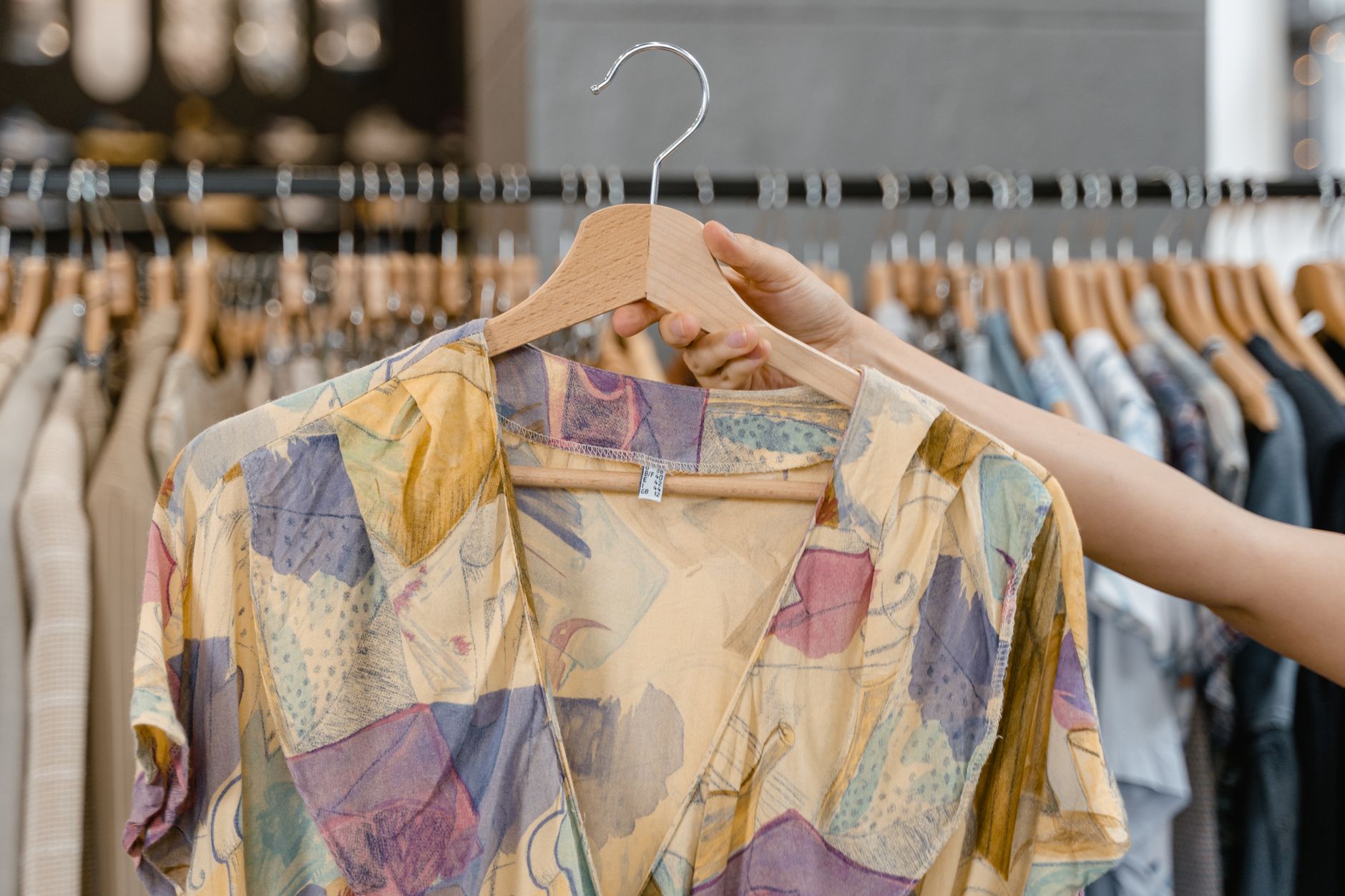
Clothing sublimation has transformed the way Australian businesses, marketing agencies, and resellers approach custom apparel. Whether you’re decking out a corporate team in branded activewear, creating merchandise for a sporting club on the Gold Coast, or producing eye-catching uniforms for a Perth fitness studio, sublimation printing delivers results that simply cannot be matched by traditional decoration methods. But for many buyers — especially those new to the promotional products space — understanding how sublimation works, when it’s the right choice, and how to source quality suppliers can feel overwhelming. This guide breaks it all down so you can make informed, confident decisions.
What Is Clothing Sublimation and How Does It Work?
Sublimation printing is a heat-based decoration process that converts solid dye into gas, which then bonds permanently with the fibres of a polyester fabric. Unlike screen printing or heat transfer, the ink doesn’t sit on top of the fabric — it becomes part of the fabric itself. The result is a vivid, full-colour print that is soft to the touch, won’t crack or peel, and retains its vibrancy even after hundreds of washes.
The process involves printing a mirrored design onto special sublimation transfer paper using sublimation inks. The paper is then pressed against the garment using a heat press at temperatures typically between 180°C and 210°C. The heat causes the dye to sublimate — transitioning from a solid directly into a gas — which then permeates the polyester fibres and solidifies as the garment cools. The bond is permanent.
What Makes It Different from Other Decoration Methods?
When comparing clothing sublimation to alternatives like screen printing or embroidery, a few key distinctions stand out:
- Full-colour capability: Sublimation supports photographic-quality prints, gradients, and complex artwork with no colour limitations or additional setup costs per colour
- No texture: The print is completely smooth — there’s no raised ink layer or stitching that changes the feel of the garment
- No minimum colour fees: Unlike screen printing, which traditionally charges setup fees per colour, sublimation handles unlimited colours in a single pass
- Wash durability: The embedded dye won’t fade or crack over time, making it ideal for activewear and uniforms that endure frequent washing
For a deeper dive into how these methods compare, check out our guide to t-shirts and polos and the different printing approaches used across the garment category.
Fabric Requirements: The Critical Factor in Clothing Sublimation
Here’s the most important thing any buyer needs to understand about clothing sublimation: it only works effectively on polyester, or polyester-rich blends. The sublimation dye bonds with polymer chains in synthetic fibres — it simply cannot penetrate natural fibres like cotton in the same way.
On 100% polyester, results are vivid and consistent. On a 65/35 polyester-cotton blend, you’ll notice a slight “vintage” or washed-out effect, which some buyers actually prefer for a retro aesthetic. On predominantly cotton garments, the colours will appear significantly faded and unacceptable for most professional applications.
What Garments Work Best?
Clothing sublimation is particularly well-suited to:
- Performance and activewear: Running singlets, cycling jerseys, yoga tops, and sports uniforms all benefit enormously from sublimation. The ability to print edge-to-edge across panels and seams creates a seamless, professional look
- Promotional polo shirts and team jerseys: Sporting clubs from Darwin to Hobart frequently use all-over sublimation for vibrant, professional-looking team kits
- Custom caps and headwear: Polyester trucker caps and fitted caps respond well to sublimation, especially across panels — see our men’s trucker cap range for examples
- Corporate workwear: Lightweight polyester polos with detailed branding — including photographic logos and gradient company colours — are a popular application in the corporate sector
All-Over Sublimation vs. Panel Sublimation
One distinction that often catches buyers off-guard is the difference between all-over (cut-and-sew) sublimation and panel sublimation.
Panel sublimation involves printing on pre-cut fabric panels before the garment is sewn together. This allows for true edge-to-edge coverage, with designs that flow seamlessly across seams. It’s the preferred method for professional sporting uniforms, high-end branded activewear, and premium custom merchandise. Turnaround times are typically longer — usually 3 to 5 weeks — because the garments are manufactured from scratch. Minimum order quantities (MOQs) tend to start at around 10 to 20 units, though some specialist suppliers require higher runs.
Blank garment sublimation applies the design to a pre-made, finished garment. This is faster and generally more cost-effective, but it does come with limitations around print coverage — particularly around seams, cuffs, and collars, where the heat press cannot always reach properly.
For resellers and marketing agencies running time-sensitive campaigns, it’s worth clarifying which method your supplier uses and what turnaround expectations look like. If speed is critical, explore same-day promotional product printing in Darwin as a reference point for understanding how turnaround options vary across different categories and locations.
Pricing and MOQs: What to Budget For
Clothing sublimation is generally not the cheapest option at very low quantities, but it becomes increasingly competitive — and often cost-effective — at higher volumes. Here’s a rough breakdown of what Australian buyers can expect in 2026:
- Setup/origination fees: Most reputable suppliers charge little to no setup fees for sublimation, since there are no screens or plates to produce. This is a significant advantage over screen printing for complex artwork
- Per-unit pricing: Custom sublimated garments typically range from $20 to $60+ per unit depending on the garment type, quantity, and decoration complexity. Performance tees often sit at the lower end; fully custom cut-and-sew jerseys at the higher end
- MOQs: These vary considerably. Some suppliers offer sublimation from as few as 5 units; specialist cut-and-sew manufacturers may require 20 to 50+
For resellers sourcing wholesale, it’s worth understanding the broader landscape of wholesale supply — our resource on wholesale promotional products in Gold Coast covers some useful considerations around bulk pricing structures that apply across categories.
Artwork Requirements for Clothing Sublimation
Sublimation’s ability to reproduce complex, full-colour artwork is one of its biggest selling points — but getting artwork right is still critical. Here’s what to keep in mind:
- Resolution: Artwork should ideally be supplied at 150 to 300 DPI at the print size. Vector files (AI, EPS, PDF) are preferred, particularly for logos and text elements
- Colour accuracy: Sublimation colours are produced in CMYK, which means PMS colours won’t always reproduce exactly as expected. Experienced sublimation suppliers will adjust files to closely match brand colours, but buyers should be prepared for some variation — requesting a physical or digital proof is strongly recommended
- Bleed and coverage: For all-over designs, artwork must be supplied with adequate bleed (typically 5 to 10mm) to ensure clean coverage to the garment’s edge
- White ink limitation: Sublimation inks are translucent — they don’t include white ink. This means white areas in your design must be achieved by leaving the fabric unprinted. White or very light-coloured fabrics are therefore essential for designs with white elements
When Clothing Sublimation Is (and Isn’t) the Right Choice
Sublimation is a powerful tool, but it’s not always the right fit. Here’s a practical decision framework:
Choose sublimation when:
- Your design involves full colour, gradients, photographic elements, or complex artwork
- You need edge-to-edge or all-over coverage
- The garment is polyester or polyester-dominant
- Wash durability and print longevity are priorities (think school sports carnivals, sporting clubs, corporate activewear)
- You’re ordering custom-designed, brand-specific merchandise that needs to look unique
Consider alternatives when:
- The garment is cotton or a heavy cotton blend (screen printing or DTG digital printing may be more suitable)
- The design is a simple one or two-colour logo applied to a standard position (screen printing or embroidery may be faster and cheaper)
- You need a textured, premium feel — embroidery remains superior for that corporate polo look
This decision-making approach is relevant across many product types. For instance, when sourcing reusable shopping bags or tote bags with zipper, similar questions around decoration method, fabric type, and print coverage apply.
Sourcing the Right Clothing Sublimation Supplier in Australia
Finding the right supplier is arguably the most important step in the whole process. The Australian promotional products market has a wide range of suppliers offering sublimation services, but quality, capability, and reliability vary considerably.
When evaluating a clothing sublimation supplier, look for:
- Samples and previous work: A supplier confident in their output will readily provide samples or portfolio examples
- Proofing process: Ensure they provide a digital or physical proof before production begins — never proceed without approval
- In-house vs. offshore production: Many suppliers print in-house in Australia (faster turnaround, easier communication) while others use offshore manufacturing for cut-and-sew work (longer lead times but often more competitive pricing on larger runs)
- Customer service responsiveness: For resellers managing client expectations, a supplier that communicates clearly and promptly is non-negotiable
- Compliance and sustainability: With Australian sustainability regulations evolving, some buyers are prioritising suppliers who demonstrate responsible practices — our overview of the promotional product industry’s response to sustainability regulation is worth reading for context
For broader promotional merchandise needs beyond apparel, it’s also worth considering how your sublimation supplier fits into your wider sourcing strategy — particularly if you’re managing promotional giveaways for product launches or webinar promotions where multiple product types are in play.
Some suppliers in the wellness and lifestyle space — think promotional yoga mats in Brisbane or merchandise for yoga retreats — also offer sublimated apparel as part of their broader range, which can be convenient if you’re sourcing a full merchandise kit for a single client.
Key Takeaways
Clothing sublimation is one of the most versatile and vibrant custom apparel decoration methods available to Australian businesses and resellers. Here’s what to remember:
- Sublimation is ideal for polyester garments requiring full-colour, photographic, or all-over designs — it won’t deliver the same results on cotton
- The dye becomes part of the fabric, making sublimated prints exceptionally durable, wash-resistant, and smooth to the touch — a major advantage for activewear, sportswear, and long-lasting branded merchandise
- Panel sublimation (cut-and-sew) vs. blank garment sublimation are two distinct approaches with different lead times, costs, and coverage capabilities — understanding which your supplier uses is critical
- Artwork must be high-resolution and supplied with accurate colour references, and physical or digital proofs should always be approved before production begins
- Supplier selection matters enormously — evaluate based on samples, proofing processes, production transparency, and customer service quality, not price alone
Whether you’re a reseller building out your supplier network, a marketing agency managing a branded merchandise campaign, or a business investing in custom team apparel, understanding clothing sublimation gives you a genuine edge in making smarter, better-informed sourcing decisions.