
The Best Reusable Promotional Items for Environmental Organisations in Australia
Discover the top reusable promotional items for environmental organisations in Australia — with tips on products, decoration, and sourcing.

Written by
Astrid Bergman
Eco & Sustainable Products
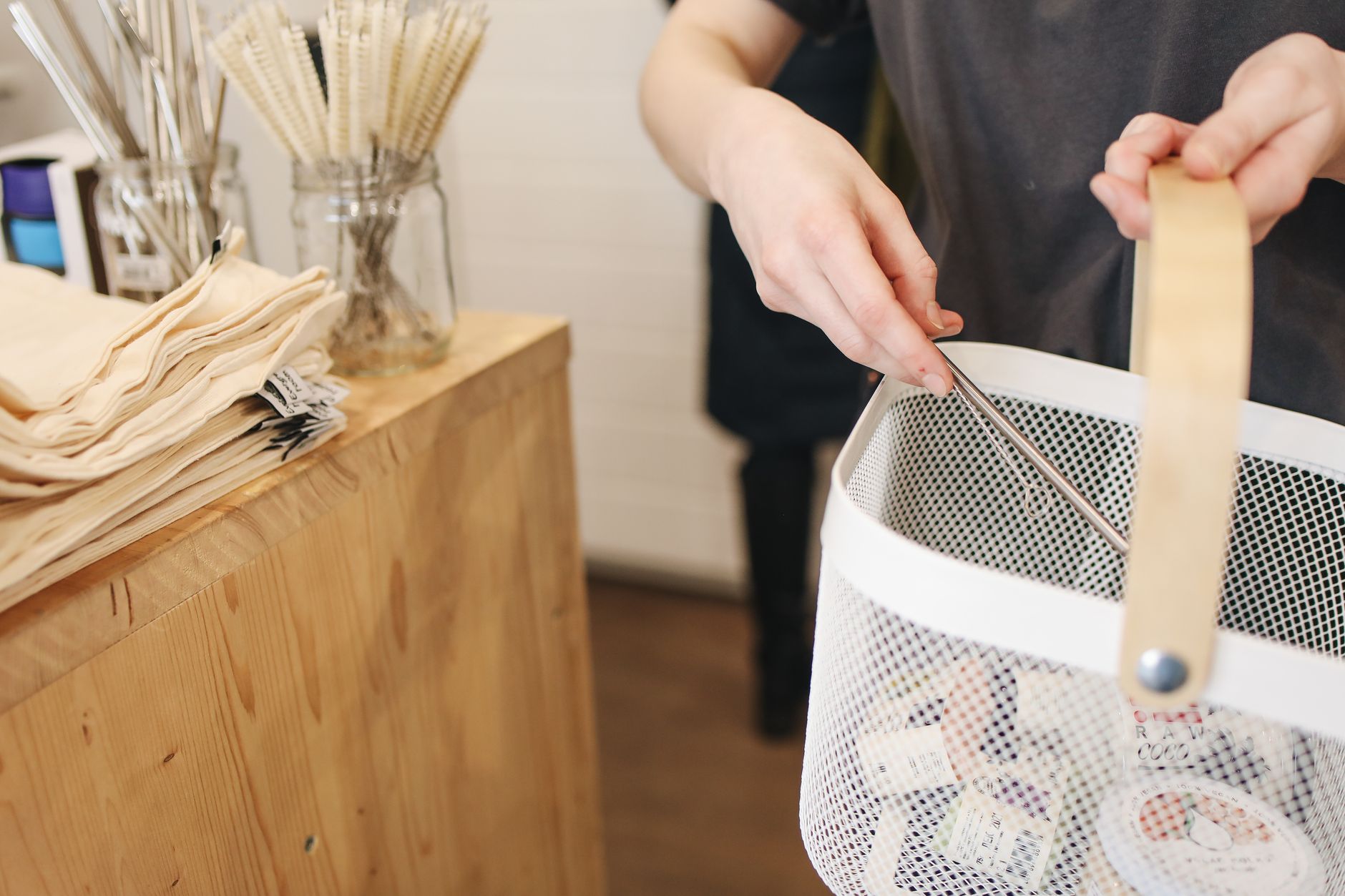
When an environmental organisation puts its name on a product, that product becomes a statement. It signals values, communicates mission, and — if chosen poorly — can actively undermine the very message the organisation exists to promote. A single-use plastic giveaway from a conservation charity isn’t just wasteful; it’s a credibility problem. That’s why selecting the right reusable promotional items for environmental organisations isn’t merely a procurement decision — it’s a brand integrity decision. This guide is designed for marketing agencies, resellers, and in-house teams sourcing merchandise for eco-focused clients, helping you navigate the best product categories, decoration methods, and supplier considerations to get it right every time.
Why Reusable Merchandise Matters More for Environmental Organisations
Most organisations can get away with the occasional branded pen or plastic bag. Environmental organisations simply cannot. Their audiences — donors, volunteers, campaign supporters, government partners, and the general public — are acutely aware of the contradiction between sustainable messaging and unsustainable merchandise. In fact, poorly chosen promo products can generate negative press coverage and social media backlash, particularly for charities and advocacy groups with active, engaged communities.
The good news is that reusable promotional items have never been more commercially viable, more visually appealing, or more accessible in terms of MOQs and pricing. Australia’s promotional products industry has responded strongly to the sustainability shift — a trend explored in detail in our overview of the promotional product industry’s response to sustainability regulation. For resellers and agencies, this represents a genuine growth opportunity: environmental organisations across Sydney, Melbourne, Brisbane, Perth, and Adelaide are investing in branded merchandise that reflects their values, and the demand is growing year on year.
Beyond optics, reusable items also deliver exceptional marketing longevity. A quality branded water bottle used daily for two years generates thousands of impressions — far more than a brochure or a throwaway giveaway. This makes them outstanding value for organisations with tight budgets and a need to maximise every dollar spent.
Top Reusable Promotional Items for Environmental Organisations
Reusable Drink Bottles and Hydration Products
Branded drink bottles are arguably the most impactful reusable item an environmental organisation can distribute. They’re used daily, carried in public, and eliminate single-use plastic consumption every time they’re used. For a conservation charity running a campaign on ocean plastics, the symbolism is powerful.
When sourcing for eco-focused clients, look for bottles made from stainless steel, recycled plastics (rPET), or BPA-free Tritan. Our comprehensive guide to promotional drink bottles covers the key specs to consider — including capacity options, lid styles, and insulation types. For environmental organisations specifically, stainless steel double-wall vacuum bottles are the premium choice: durable, recyclable, and long-lasting.
Screen printing and laser engraving are the most common decoration methods. Laser engraving is particularly well-suited to stainless steel bottles, revealing a clean metallic finish without any inks or coatings — a genuinely low-impact option. For more detail on this technique, check out our guide to rotary engraving for promotional products.
Typical MOQs for branded drink bottles start at around 25–50 units, with pricing per unit dropping significantly at 100+ and 250+ quantities. A Melbourne environmental charity sourcing 200 bottles for a fundraising event, for example, could expect strong unit economics at that volume.
Reusable Tote Bags and Shopping Bags
Few products carry as much recognition in the sustainability space as the humble reusable tote. They’re practical, highly visible in everyday settings, and available in a wide range of materials — from organic cotton and jute to bags made from recycled PET (rPET) bottles. For environmental organisations, the material choice communicates as much as the design itself.
Zip-closure totes add functionality and perceived value — worth exploring if your client wants a more premium option. See our breakdown of tote bags with zippers to understand the range of styles available and what works best in different contexts. Screen printing remains the most popular decoration method for tote bags, offering bold colour reproduction at competitive pricing — especially for high-volume orders.
Consider MOQs carefully. Organic cotton bags typically require 50–100 units minimum, while jute options can sometimes be sourced from 25 units. Budget ranges vary widely by material — rPET bags tend to sit in the mid-range, offering good sustainability credentials without premium pricing.
Bamboo and Recycled Material Products
Bamboo has become a genuine hero material in the eco-promotional space, and for good reason. It’s fast-growing, naturally antibacterial, and requires minimal processing. Beyond the well-known bamboo pen (which does involve some plastics in the mechanism), there’s a growing category of bamboo homewares and promotional items that suit environmental organisations beautifully.
Promotional bamboo cutting boards for kitchen brand promotions are a great example of how bamboo products can be positioned — not just for food brands, but for any organisation wanting to demonstrate sustainable credentials through practical, lasting gifts. These work particularly well as donor thank-you gifts or corporate partnership items.
Recycled material products are another strong category. Recycled material branded frisbees for beach promotions are a perfect fit for organisations focused on coastal conservation — fun, functional, and aligned with the message. Always verify recycled content claims with your supplier and request certification documentation where available.
Eco-Friendly Apparel
Custom apparel remains one of the most powerful branding tools available, and environmental organisations are increasingly demanding organic cotton, recycled polyester, or sustainably sourced garments. Branded tees, hoodies, and polo shirts worn by volunteers and staff become walking billboards — particularly at events, markets, and community clean-up days.
For volunteer uniforms or staff workwear, embroidered polo shirts offer a professional, durable result that withstands repeated washing far better than printed alternatives. Our guide to custom embroidered polo shirts walks through everything from thread counts to collar styles. For organisations operating outdoors — think river restoration teams in Queensland or bushfire recovery crews in regional NSW — embroidered workwear communicates professionalism and team cohesion.
When advising eco-focused clients on apparel, ask about GOTS (Global Organic Textile Standard) certification and OEKO-TEX certification. These are the two most recognised standards in Australia’s promotional apparel space and give organisations confidence in the ethical provenance of their garments.
Notebooks, Stationery, and Eco Office Items
Branded notebooks made from recycled paper, stone paper, or FSC-certified materials are a staple for environmental organisations attending conferences, seminars, and community workshops. They’re practical, appreciated, and perfectly positioned for events where note-taking is relevant.
Our breakdown of promotional A5 notebooks covers the key specs — cover materials, page counts, binding types, and decoration options. Stone paper notebooks are particularly worth highlighting for eco clients: they’re made without trees or water in the production process, and they’re waterproof, making them ideal for field researchers and outdoor educators.
For organisations that still need to distribute some tech-based items, recycled or sustainably cased USB drives are a more responsible choice than standard plastic versions. Check out options for novelty USB flash drives and consider recommending natural material casings — bamboo USB enclosures are widely available in Australia, and suppliers in cities like Adelaide and beyond stock them in reasonable volumes (see promotional USB drives in Adelaide for local sourcing options).
Practical Considerations When Sourcing for Environmental Clients
Decoration Methods and Environmental Impact
Not all decoration methods are created equal from an environmental perspective. Screen printing uses plastisol inks that contain PVC — water-based alternatives are available and should be specified when ordering for eco-focused clients. Sublimation requires polyester substrates, which aren’t always the most sustainable choice. Laser engraving and debossing involve no inks at all, making them genuinely low-impact options.
When briefing suppliers, be explicit about decoration method preferences. Many Australian suppliers — including those operating in Sydney, Melbourne, Brisbane, and regional centres — can accommodate water-based ink requests, though this may affect turnaround times and minimum quantities.
Turnaround Times and Local Sourcing
Turnaround times matter, particularly for organisations working to event deadlines. Our guide to print close to me explores how proximity-based sourcing can reduce lead times and freight emissions — a double win for environmental organisations that want to minimise their supply chain footprint. For urgent requirements in the Northern Territory, options for same-day promotional product printing in Darwin exist, though eco-certified materials may require slightly longer lead times.
Budgeting and Volume Planning
Reusable items generally carry a higher unit cost than disposable alternatives — this is worth communicating clearly to clients upfront. However, the cost-per-impression over the item’s usable life is typically far lower. A stainless steel bottle used 500 times over two years costs a fraction of a cent per impression; a flyer handed out at a stall costs the same but generates one impression and then goes to landfill.
For agencies managing eco-product campaigns, our resource on reusable marketing giveaways in Australia and our guide to promotional giveaways for product launches in Australia both provide useful benchmarking for budget conversations with clients. Wholesale sourcing options — particularly for Gold Coast-based resellers — are covered in our guide to wholesale promotional products on the Gold Coast.
Beyond the Obvious: Niche and Unique Products
Think beyond the standard catalogue. Environmental organisations often work in niche areas — animal welfare, ocean conservation, urban greening, wildlife rehabilitation — and there are products that speak directly to those missions. For example, animal welfare charities distributing promotional pet leads for animal shelters can create a direct connection between the giveaway and the organisation’s cause. Yoga mats printed with eco-messaging work brilliantly for wellness-focused environmental groups — our guide to promotional yoga mats in Brisbane covers the options available in that market.
Winter campaigns present different opportunities. Reusable items like branded beanies, thermal mugs, and fleece blankets made from recycled polyester can be powerful seasonal touchpoints — explore our ideas for winter branded gifts for customers to round out your product recommendations.
Conclusion: Choosing Reusable Promotional Items for Environmental Organisations the Right Way
Getting reusable promotional items right for environmental organisations requires more than just swapping plastic for bamboo. It demands a considered approach to materials, decoration methods, supply chain transparency, and overall product longevity. The organisations operating in this space have audiences that hold them to a higher standard — and rightly so.
For resellers, marketing agencies, and in-house procurement teams, this creates both responsibility and opportunity. Done well, a well-curated merchandise programme can strengthen an environmental organisation’s brand, deepen supporter relationships, and generate genuine long-term value.
Key takeaways:
- Match the product to the mission: every reusable promotional item for an environmental organisation should be able to justify its existence through longevity, material ethics, and alignment with the cause.
- Specify decoration methods carefully: water-based inks, laser engraving, and debossing are the most environmentally responsible options; always discuss these with your supplier at the briefing stage.
- Verify sustainability credentials: request certifications (GOTS, OEKO-TEX, FSC, recycled content) and don’t accept vague claims without documentation.
- Educate clients on cost-per-impression: reusable items cost more upfront but deliver dramatically more value per dollar over their useful life.
- Think beyond the standard catalogue: niche products aligned with an organisation’s specific cause create stronger emotional connections and more memorable brand experiences.