
Custom Caps for Soccer Clubs in Australia: The Complete Ordering Guide
Everything Australian soccer clubs need to know about ordering custom caps — styles, decoration methods, MOQs, and supplier tips.

Written by
Darcy Flynn
Custom Apparel
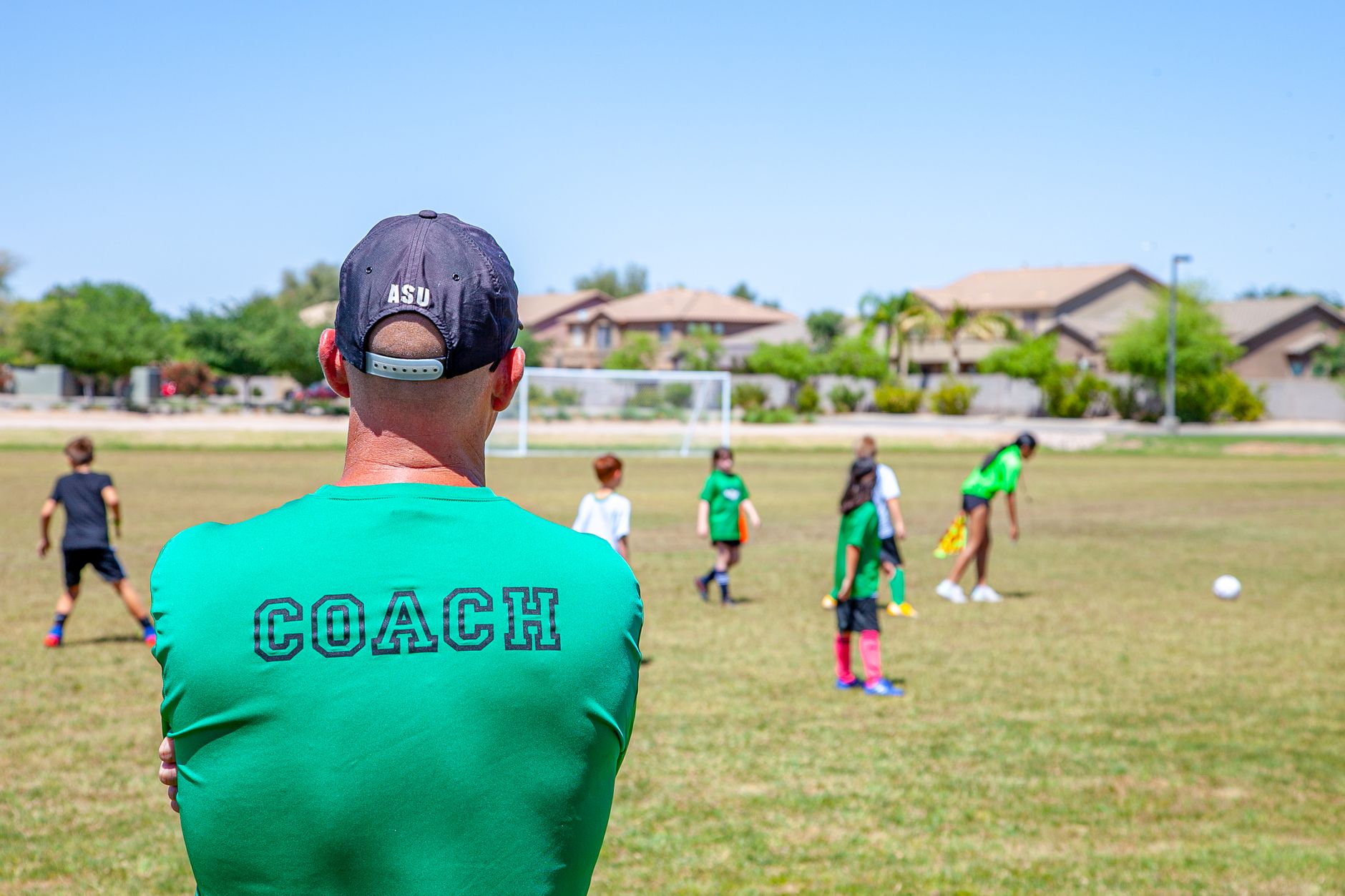
Whether you’re kitting out a junior soccer club in Western Sydney, gearing up for a new season in Brisbane’s community leagues, or sourcing team merchandise for a state-level association in Victoria, custom caps for soccer clubs in Australia represent one of the most practical and popular branded apparel investments you can make. They’re worn on and off the pitch, they build team identity, and when ordered smartly, they deliver exceptional value per impression. But navigating the world of custom cap ordering — styles, decoration methods, minimum order quantities, turnaround times, and budget considerations — can quickly become overwhelming if you don’t know where to start. This guide breaks it all down so you can order with confidence.
Why Custom Caps Are a Must-Have for Australian Soccer Clubs
Soccer is one of Australia’s most widely played sports, with hundreds of thousands of registered players across every state and territory. From grassroots clubs in Adelaide’s northern suburbs to elite youth academies on the Gold Coast, the sport thrives on community identity — and nothing builds that identity quite like consistent, well-branded apparel.
Custom caps serve multiple purposes for soccer clubs. On the training ground and sideline, they offer practical sun protection — a critical consideration in the Australian climate, where UV exposure is a genuine health concern for coaches, volunteers, players, and supporters spending hours outdoors. Off the pitch, a quality branded cap becomes everyday casual wear, extending your club’s visibility far beyond game day.
For resellers and marketing agencies sourcing custom caps on behalf of soccer clubs, this dual functionality makes them an easy sell. Clubs see immediate practical value, which means order approvals are faster and repeat orders are common. If you’re building a relationship with a local soccer association, custom caps are often the entry point to broader ongoing merchandise supply — from custom t-shirts and polo shirts to water bottles and tote bags.
Understanding the Different Cap Styles Available
Before placing an order, it’s worth understanding the range of cap styles available and which suit soccer clubs best. Not all caps are created equal, and the wrong style choice can lead to unhappy clients and returned merchandise.
Structured vs. Unstructured Caps
Structured caps have a stiff front panel that holds its shape, giving a clean, professional look that suits clubs wanting a polished presentation. Unstructured caps have a softer, more relaxed profile — popular with youth players and casual supporters.
Trucker Caps
Trucker-style caps are enormously popular in the Australian sporting market. Their mesh back panels offer breathability — perfect for outdoor sport — while the foam or fabric front panel provides an excellent print or embroidery area. They’re particularly popular among junior clubs and community leagues where a relaxed, casual aesthetic is preferred over corporate formality.
Six-Panel and Five-Panel Caps
Standard six-panel caps are the most common style in team merchandise and offer versatility across age groups and genders. Five-panel caps have a slightly more contemporary, streetwear-influenced look that suits clubs targeting teenage and young adult demographics.
Snapback and Fitted Options
Snapback closures with adjustable plastic clips are cost-effective and easy to order across multiple sizes, as one size generally accommodates most wearers. Fitted caps (ordered in specific sizes) offer a more premium feel but require more complex size breakdowns when ordering for a full squad — something to factor into your timeline and logistics.
Decoration Methods for Custom Caps: What Works Best
Choosing the right decoration method is arguably the most important technical decision in the ordering process. Each method has different cost structures, appearance outcomes, and suitability for different cap styles.
Embroidery
Embroidery is the premium choice for custom caps and by far the most popular method for soccer club merchandise. The stitched logo looks sharp, professional, and incredibly durable — it won’t crack, fade, or peel after repeated washing, making it ideal for garments worn outdoors in all weather conditions. Most clubs position their logo on the front panel, with optional secondary branding on the side or back.
The trade-off is cost. Embroidery involves a one-off digitising fee (typically between $30 and $80 AUD) to convert your artwork into a stitch file. Once that’s done, the cost per unit drops significantly at volume. For a club ordering 50+ caps, embroidery is very competitively priced and the digitising fee is quickly absorbed.
Screen Printing on Caps
Screen printing is less common on structured caps due to the curved surface, but it works well on flat front panels. It suits simple, bold designs with limited colours and is generally more affordable at lower quantities than embroidery, though the finish lacks the premium tactile quality that embroidery delivers.
Heat Transfer and Sublimation
Heat transfer and full-colour sublimation printing allow for complex, multicolour artwork including gradients and photographic-style designs. Sublimation is typically used on all-over print caps where the pattern extends across the entire cap — popular for clubs with intricate geometric designs or vibrant colour schemes. For a deeper dive into how different decoration methods compare for custom apparel, see our quality guide on rotary engraving for promotional products for context on how engraving compares to print-based methods across different materials.
Minimum Order Quantities and Pricing Tiers
One of the most frequently asked questions from club administrators and resellers is: “What’s the minimum order quantity?” For custom caps, MOQs vary by supplier and decoration method, but as a general guide:
- Embroidery: MOQs typically start at 12 to 24 units for structured caps
- Screen printed caps: MOQs often start at 50 units due to setup costs
- Sublimation/all-over print: Often available from as low as 6 to 12 units, though per-unit costs are higher
For soccer clubs, ordering in bulk tiers makes strong financial sense. Pricing typically drops at the 50, 100, 250, and 500-unit marks. A club ordering caps for a full squad plus coaching staff, committee members, and a supporter merchandise range can easily hit the 100-unit threshold — which delivers significant per-unit savings.
Resellers working with multiple soccer clubs across a region should consider whether consolidating orders from several clients into a single bulk run makes sense economically. Some suppliers offer mixed-logo orders at scale, though this adds complexity to the artwork management process.
For insights on sourcing wholesale products competitively, our guide to wholesale promotional products on the Gold Coast covers pricing structures and supplier relationships worth understanding.
Artwork Requirements: Getting It Right from the Start
Poor artwork preparation is one of the most common causes of project delays. For embroidery, you’ll need to supply either your finalised embroidery file (DST or similar) or high-resolution vector artwork (AI, EPS, or PDF) so the supplier’s digitiser can convert it accurately.
Key considerations include:
- Stitch count impacts cost — highly detailed or large logos with heavy stitching cost more to embroider
- Minimum text size — very small text can become illegible when stitched; most embroiderers recommend a minimum of 4–5mm font height
- Colour matching — embroidery uses thread colours rather than ink, so perfect PMS matching isn’t always possible; request a physical sample or thread card reference if colour accuracy is critical
- Proof approval — always request a digital proof before approving production, and if the order is large (100+ units), consider ordering a pre-production sample cap first
Turnaround Times and Planning Your Order
Australian soccer seasons typically run from March through to September or October in most states, with summer competitions operating across Queensland and the Northern Territory. Planning cap orders well ahead of the season start is essential — and often overlooked by clubs until the last minute.
Typical production turnarounds for custom caps in Australia:
- Standard production: 10–15 business days after artwork approval
- Express production: 5–7 business days (at additional cost)
- Rush/same-day: Generally not available for custom caps, though for other product types, services like same-day promotional product printing in Darwin give you a sense of what rapid-turnaround services look like across different product categories
Factor in shipping time, particularly if ordering from a supplier outside your state. A Melbourne-based club ordering from a Sydney supplier should allow 2–3 additional business days for freight. For Perth-based clubs and associations in regional WA, allow extra time regardless of supplier location.
Eco-Friendly Cap Options for Environmentally Conscious Clubs
Sustainability is an increasingly important consideration for Australian sporting organisations, particularly those affiliated with councils, schools, or community bodies that have environmental commitments. Eco-friendly cap options now include styles made from recycled PET (often sourced from reclaimed plastic bottles), organic cotton, and sustainable bamboo-blend fabrics.
These options typically carry a modest price premium of 15–30% over conventional caps but align well with clubs that want to communicate environmental values to their members. For clubs connected to environmentally focused community programs, pairing custom caps with other sustainable merchandise — such as reusable promotional items for environmental organisations or reusable shopping bags — creates a cohesive and values-aligned merchandise range.
The broader promotional products industry is also navigating evolving sustainability regulations, and understanding that landscape helps resellers and clubs make informed procurement decisions — our overview of the promotional product industry’s response to sustainability regulation is worth reading for context.
Expanding Your Club’s Merchandise Range Beyond Caps
Custom caps are frequently the starting point for a broader club merchandise programme. Once a club has experienced a smooth ordering process and seen quality results, they’re typically ready to expand. Common complementary products include:
- Custom water bottles — essential for hydration on and off the pitch; see our guide to branded water bottle options for what’s available
- Promotional reusable giveaways — ideal for club fundraising and sponsorship activations; explore reusable marketing giveaways in Australia for ideas
- Custom tote bags — great for training kit bags and club events; tote bags with zippers offer a practical upgrade over standard open-top styles
- Winter branded gifts — for year-round clubs, winter branded gifts for customers offer seasonal merchandise inspiration
- Event merchandise — if your club runs tournaments, galas, or fundraising events, the approach to promotional giveaways for product launches applies well to sporting event activations
Resellers and agencies building long-term relationships with soccer clubs should position themselves as full-service merchandise partners, not one-off cap suppliers.
Conclusion: Key Takeaways for Ordering Custom Caps for Soccer Clubs in Australia
Custom caps for soccer clubs in Australia represent a genuinely versatile, high-impact merchandise investment — practical in the Australian sun, powerful for club identity, and flexible enough to suit every budget from grassroots junior clubs to elite associations. Whether you’re a reseller sourcing on behalf of a club, a marketing agency building a broader sponsorship activation, or a club administrator managing the order directly, keeping these principles in mind will help you get the best outcome:
- Choose the right style first — consider your club’s aesthetic, age demographics, and whether breathability (trucker mesh) or structure (six-panel) matters most
- Invest in embroidery for longevity — the digitising fee is a one-off cost, and the finished product far outlasts printed alternatives for outdoor sporting use
- Plan well ahead of season — allow a minimum of four weeks from artwork sign-off to delivery, longer for large or complex orders
- Leverage bulk pricing tiers — consolidating cap orders across the full club (players, coaching staff, supporters) unlocks significantly better per-unit pricing
- Think beyond caps — clubs that start with custom caps often benefit from a broader, cohesive merchandise strategy; position yourself or your club to build that out over time