
How to Order Custom T-Shirts Online in Australia: The Complete Guide
Everything Australian businesses and resellers need to know about ordering custom t-shirts online — from decoration methods to MOQs and turnaround times.

Written by
Darcy Flynn
Custom Apparel
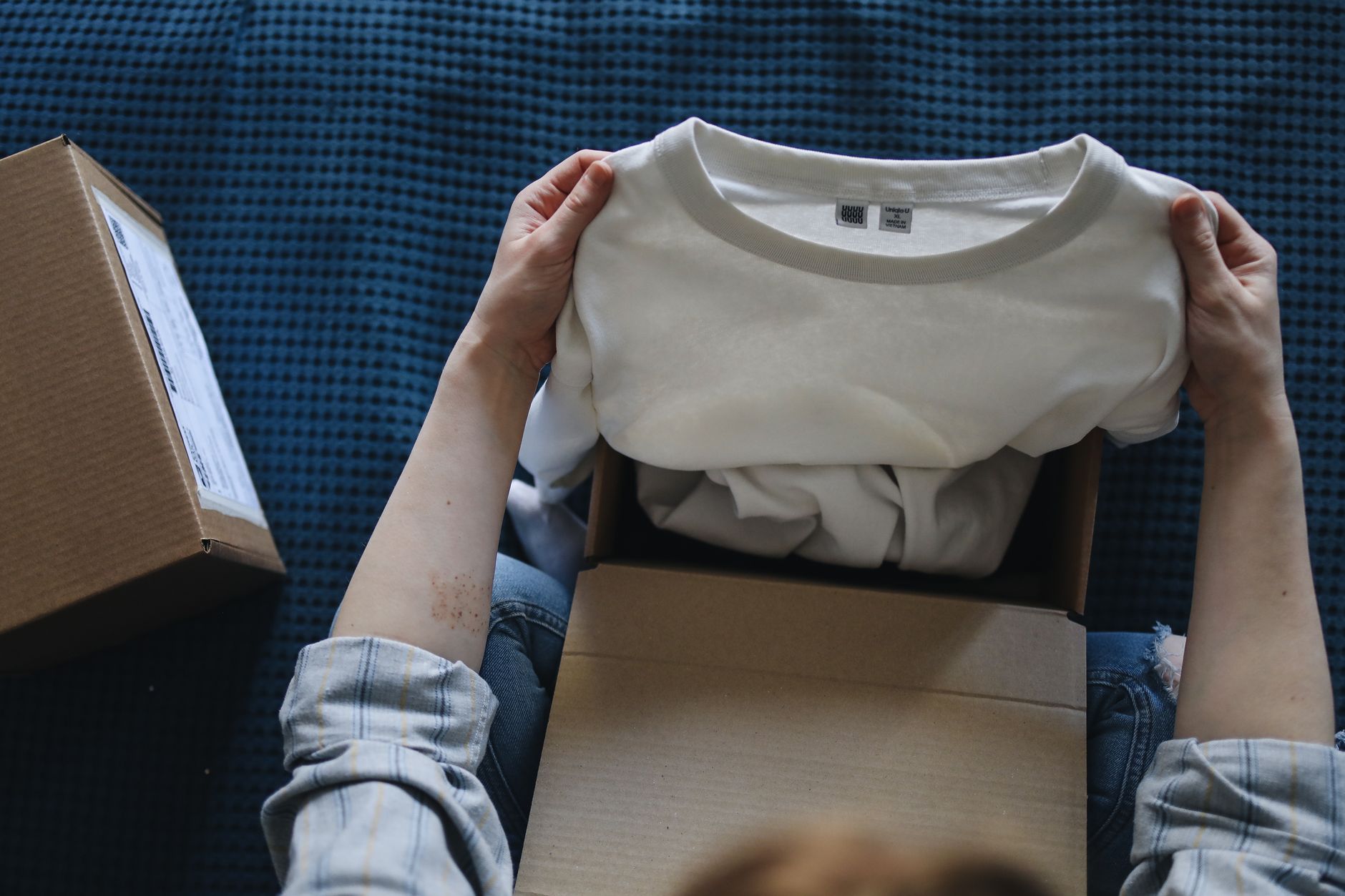
Ordering custom t-shirts online in Australia has never been more accessible — but with so many variables at play, it’s easy to make costly mistakes if you don’t know what you’re looking for. Whether you’re a marketing agency briefing a supplier on behalf of a client, a reseller building out a product catalogue, or a business owner gearing up for a trade show, the decisions you make before placing your order will determine whether the end result is something your brand is proud to put its name on. This guide walks you through everything you need to know about ordering custom t shirts online Australia — from selecting the right garment and decoration method, to managing timelines, budgets, and supplier relationships.
Why Custom T-Shirts Remain One of Australia’s Most Popular Branded Products
There’s a reason custom t-shirts consistently top the list when businesses invest in promotional merchandise. They’re wearable, visible, and versatile — working equally well as staff uniforms, event giveaways, fundraiser merchandise, and retail products. A Sydney tech startup handing out branded tees at a product launch is getting the same value proposition as a Gold Coast surf school outfitting its instructors: a walking billboard that builds brand recognition every time it’s worn.
Across Australia, demand for custom apparel has grown steadily, driven by the rise of experiential marketing, the boom in branded merch for online businesses, and an increasing number of organisations recognising the long-term value of quality branded clothing. The wholesale promotional products market in Gold Coast reflects this trend, with businesses of all sizes investing in custom apparel as a cornerstone of their merchandise strategy.
The appeal is straightforward. Unlike a promotional pen that gets lost in a drawer, a well-made custom t-shirt gets worn repeatedly — at the gym, on weekends, at community events. The cost-per-impression is remarkably low when you factor in the ongoing visibility.
Understanding Decoration Methods for Custom T-Shirts
One of the most important decisions you’ll make when ordering custom t shirts online in Australia is choosing the right decoration method. Each technique has different strengths, cost profiles, and suitability depending on your design, quantity, and intended use.
Screen Printing
Screen printing is the go-to method for bulk custom t-shirt orders. It involves pushing ink through a stencil (or screen) onto the fabric, producing vibrant, durable prints that hold up exceptionally well after repeated washing. It’s most cost-effective when you’re ordering 50 or more units with a design that uses one to four colours.
The setup fees for screen printing can range from $30 to $80 per colour per screen, so designs with many colours can become expensive at lower quantities. However, once the screens are made, the per-unit cost drops significantly — making it highly economical for larger runs. If your organisation is ordering 200+ custom tees for a Brisbane conference or Melbourne staff event, screen printing is almost always the most economical choice.
Digital Printing (DTG)
Direct-to-garment (DTG) printing works similarly to an inkjet printer, applying water-based inks directly to the fabric. It’s ideal for complex, multi-colour designs and photo-realistic prints, and it has no setup fees in the traditional sense — making it accessible for small orders. For more context on how digital printing fits into your broader merchandise strategy, take a look at digital printing options for full-colour promotional items.
The trade-off is that DTG can produce slightly softer colours on dark garments, and the per-unit cost remains relatively consistent regardless of quantity, meaning it doesn’t offer the same bulk savings as screen printing.
Heat Transfer Vinyl (HTV) and Sublimation
Heat transfer vinyl is popular for names, numbers, and smaller-run custom apparel — particularly for sporting clubs and school events. Sublimation, on the other hand, bonds dye into the fabric at a molecular level, producing incredibly vibrant, all-over prints on polyester garments. It’s the method of choice for performance sportswear and full-colour technical tees.
Embroidery
While more commonly associated with polos and workwear, embroidery is increasingly used on quality t-shirts for a premium, textured finish. If you want a more upscale look for corporate gifts or executive merch, embroidery can elevate a simple t-shirt significantly. For a deeper dive into this option, our guide to custom embroidered polo shirts covers many of the same principles that apply to t-shirt embroidery.
Selecting the Right T-Shirt for Your Order
The garment itself is just as important as the decoration. Australian suppliers typically offer a range of blank t-shirt options across different fabric weights, fits, and materials.
Fabric Weight and Quality
T-shirts are typically measured in grams per square metre (GSM). A 160–180 GSM tee is lightweight and breathable — great for summer events in Darwin or Perth. A 200–220 GSM shirt feels more substantial and is suited to cooler climates or when a premium feel is important for corporate gifting.
Fabric Composition
- 100% Cotton: Soft, breathable, and easy to print on — the most common choice for promotional tees
- Cotton/Polyester Blends: More durable and resistant to shrinkage, and often more affordable
- Bamboo or Organic Cotton: Increasingly popular as organisations prioritise sustainability — read about the industry’s shift toward responsible sourcing in our overview of the promotional product industry’s response to sustainability regulation
Fit and Style Considerations
Consider your audience carefully. A fitted tee works well for retail or lifestyle brands; a relaxed-fit unisex tee is often more appropriate for staff or event merchandise where you’re catering to a wide range of body types. Women’s cuts, kids’ sizes, and plus-size options should also be factored in if you’re ordering for a diverse group.
Practical Ordering Tips: MOQs, Lead Times, and Budgeting
Minimum Order Quantities
Most Australian suppliers offering screen-printed custom t-shirts have MOQs of around 12–24 units per design per colour. DTG printing often has no MOQ at all, though unit pricing will be higher. If you’re a reseller building a sample range, DTG is a practical entry point before committing to a larger screen-printed run.
Turnaround Times
Standard turnaround for custom t-shirts in Australia is typically 10–15 business days from artwork approval. Rush orders can sometimes be fulfilled in 5–7 business days, though this may attract additional fees. If you’re working in a time-sensitive market — like event merchandise for conferences — always factor in shipping time from your supplier’s location. For reference, same-day promotional product printing options in Darwin gives a useful lens on how turnaround expectations vary across Australian cities.
Budgeting for Your Order
A rough guide for screen-printed custom t-shirts in Australia:
- Small runs (12–25 units): $18–$35 per shirt, depending on garment quality and number of print colours
- Mid-range runs (50–100 units): $10–$20 per shirt
- Larger runs (200+ units): $6–$14 per shirt
These are indicative ranges — actual pricing will vary based on supplier, garment brand, decoration complexity, and print location (front only vs. front and back, for example). Always request a full quote that itemises setup fees separately from unit costs, so you can accurately compare suppliers.
Artwork, File Formats, and Colour Matching
Artwork is one of the most common stumbling blocks in custom t-shirt orders. Most suppliers require vector files (AI, EPS, or PDF) for screen printing, as these can be scaled without loss of quality. For DTG, high-resolution PNG or PSD files with transparent backgrounds are typically preferred.
If your brand has specific colour requirements, ask your supplier about PMS (Pantone Matching System) colour matching for screen printing. This ensures your brand’s red looks exactly right — not like three different shades across different print runs. Poor colour matching can undermine brand consistency, particularly for marketing agencies managing multiple client accounts.
For organisations that produce a range of branded materials — from custom t-shirts through to custom-printed lanyards and promotional A5 notebooks — maintaining consistent PMS colours across all products is critical.
Managing Supplier Relationships as a Reseller or Agency
If you’re a reseller or marketing agency ordering custom t shirts online in Australia on behalf of clients, there are a few additional considerations that can make or break a project.
Always request a physical or digital pre-production sample before approving a full run. This protects you and your client from unpleasant surprises around placement, colour, or garment feel. Establish clear timelines with your client before approaching a supplier, and always build a buffer into your deadline — production delays can and do occur, particularly around peak periods like the end of the financial year, Christmas, and major sporting events.
It’s also worth exploring whether your supplier can produce a broader range of branded merchandise alongside the t-shirts. Being able to source custom merchandise across New South Wales — or interstate — from a single supplier relationship simplifies logistics and often opens the door to volume-based pricing across your full order.
Beyond apparel, well-rounded resellers often bundle t-shirts with complementary products for event or corporate gift packs — think branded adult lunch bags or eco-friendly accessories to round out a branded merchandise kit. For inspiration on how branded gifts work across different contexts, our post on Mother’s Day branded gifts for customers illustrates how thoughtful product curation elevates a gifting campaign.
Eco-Friendly Custom T-Shirts: A Growing Priority
Sustainability is no longer a niche consideration — it’s increasingly central to procurement decisions at Australian businesses, government bodies, and educational institutions. Organic cotton and recycled polyester t-shirts are now widely available through Australian suppliers, and many brands will expect their agency or reseller to proactively offer these options.
Just as organisations are making more considered choices with products like recycled material branded frisbees for beach promotions or promotional yoga mats in Brisbane, custom t-shirts made from sustainable materials are becoming a standard expectation rather than a premium add-on.
Conclusion: Key Takeaways for Ordering Custom T-Shirts Online in Australia
Ordering custom t shirts online in Australia involves far more than picking a garment and uploading a logo. When you approach the process with the right knowledge, you’ll consistently deliver better outcomes — whether you’re placing an order for your own business or on behalf of a client.
Here are the five most important things to keep in mind:
- Choose your decoration method based on quantity and design complexity — screen printing wins at scale, DTG offers flexibility for smaller or more complex runs
- Select the garment before finalising your artwork — the fabric weight, composition, and colour will influence how your design looks and which decoration methods are appropriate
- Always factor setup fees and shipping into your total budget — unit cost alone is rarely the full picture
- Supply print-ready artwork in the correct format — vector files for screen printing, high-res PNG or PSD for digital — and confirm PMS colours if brand consistency matters
- Build in adequate lead time — 10–15 business days is standard, but peak periods can extend this significantly; always communicate realistic timelines to your end client
With the right supplier relationship and a clear brief, custom t-shirts remain one of the most powerful and cost-effective branded merchandise tools available to Australian businesses in 2026 and beyond.