
Environmentally-Friendly Promotional Products: A Complete Guide for Australian Businesses
Discover how to choose environmentally-friendly promotional products that align with your brand values and sustainability goals in Australia.

Written by
Astrid Bergman
Eco & Sustainable Products
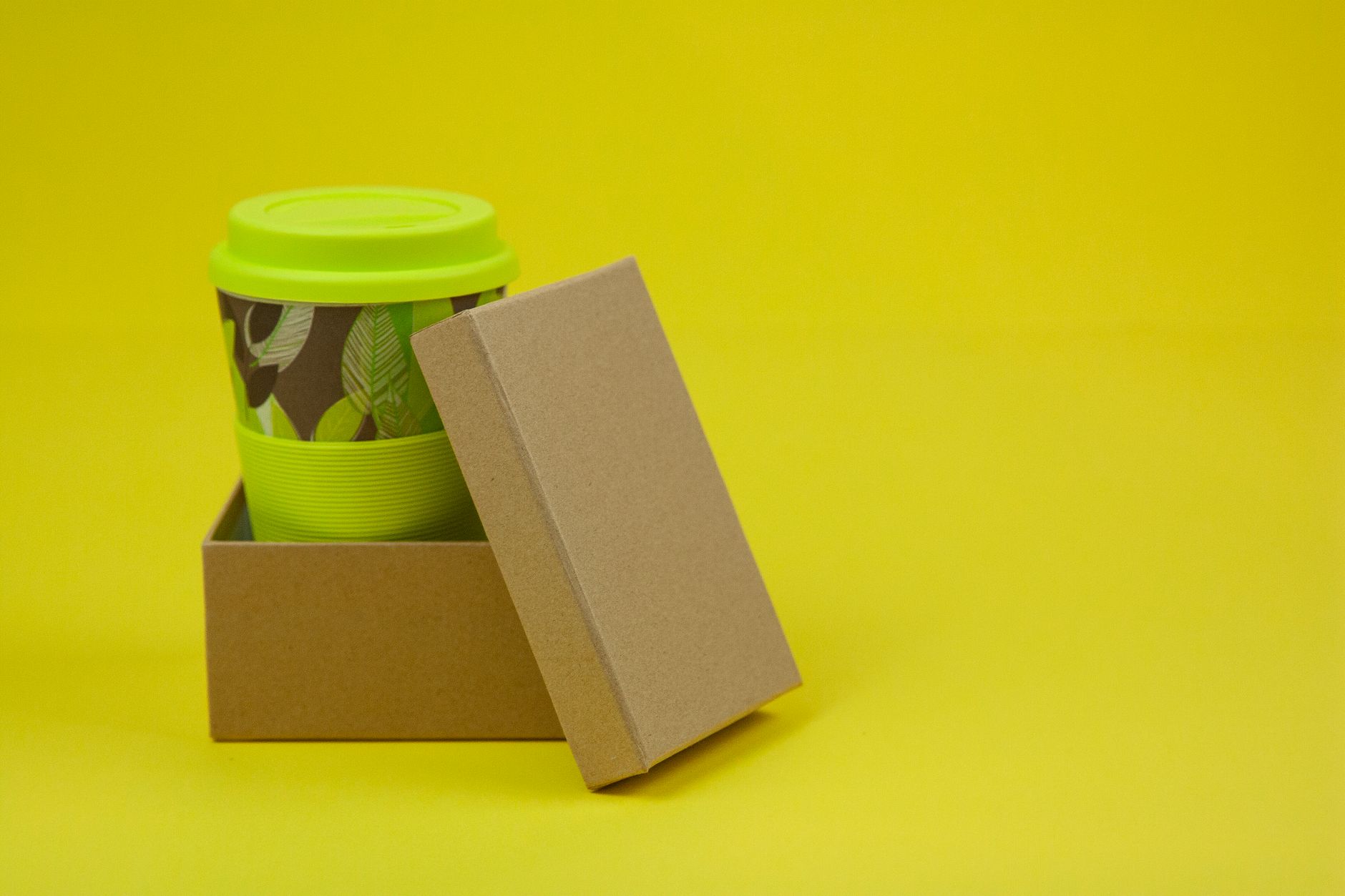
Sustainability is no longer a buzzword — it’s a business expectation. Across Australia, organisations of all sizes are rethinking their branded merchandise strategies, moving away from disposable plastic novelties and towards environmentally-friendly promotional products that genuinely reflect their values. Whether you’re a marketing agency sourcing conference bags for a Melbourne client, a reseller building out your eco product catalogue, or a Sydney-based business planning your next corporate gifting round, understanding the sustainable merchandise landscape is essential in 2026. This guide walks you through everything you need to know — from the most popular eco product categories and decoration methods to ordering logistics, budget considerations, and how to communicate your green credentials effectively.
Why Environmentally-Friendly Promotional Products Matter More Than Ever
The shift toward sustainable merch isn’t just driven by good intentions. Consumer research consistently shows that Australians respond more positively to brands that demonstrate environmental responsibility, and this sentiment is especially strong among younger demographics. When a business hands out a promotional product, that item becomes a physical extension of its brand identity — and an item destined for landfill after a single use sends a message that may not be intentional, but lands clearly regardless.
Regulatory pressure is also building. If you haven’t already reviewed our overview of the promotional product industry’s response to sustainability regulation, it’s well worth a read. State and territory governments across Australia have progressively introduced restrictions on single-use plastics, and the branded merchandise industry is adapting rapidly. Resellers and marketing agencies who stay ahead of these shifts are better positioned to advise clients and win business.
There’s also a practical ROI argument. Eco-friendly items — think reusable drinkware, quality tote bags, and bamboo stationery — tend to have longer product lifespans. A durable item that stays in circulation for months or years generates far more brand impressions than a cheap pen that gets tossed after a week.
The Most Popular Categories of Eco-Friendly Promotional Merchandise
Understanding which product categories lend themselves best to sustainable sourcing is a good starting point. Not every eco claim is equal, so knowing what to look for within each category helps you make smarter recommendations to clients.
Reusable Drinkware
Branded water bottles and keep cups are among the highest-performing environmentally-friendly promotional products in Australia. Items made from stainless steel, glass, or BPA-free recycled materials are both practical and genuinely sustainable. They replace single-use cups and bottles across offices, gyms, and daily commutes — making them ideal for corporate gifting, event giveaways, and wellness-focused campaigns.
For decoration, laser engraving is a standout choice on metal drinkware. It’s chemical-free, incredibly durable, and produces a premium finish that reflects well on higher-end brands. You can explore decoration options further in our guide to rotary engraving for promotional products. To see what’s available in branded water bottle products, our water bottle print options provide a solid overview.
Typical MOQs for reusable drinkware sit around 25–50 units, with strong bulk pricing tiers kicking in at 100+ pieces. Turnaround is generally 7–15 business days depending on decoration complexity.
Tote Bags and Reusable Shopping Bags
Few eco-friendly promotional items have had the cultural longevity of the humble tote bag. They’re genuinely useful, highly visible in public, and available in an enormous range of sustainable materials — including organic cotton, jute, recycled PET (made from plastic bottles), and canvas. For a deeper dive into what’s available, our reusable shopping bags guide covers materials, sizing, and printing options in detail.
If you’re sourcing bags for a more upmarket client, consider tote bags with a zipper closure — a practical upgrade that elevates the perceived value and extends product longevity. Screen printing works exceptionally well on cotton and canvas totes, offering vibrant, cost-effective decoration across large print areas.
A Brisbane not-for-profit running a community event, for example, might order 200 natural cotton totes screen printed with their logo and campaign messaging — achieving a strong per-unit cost while distributing a genuinely useful item that communicates their environmental commitment.
Bamboo and Recycled Stationery
Branded notebooks, pens, and desk accessories made from bamboo or recycled materials are a staple of the eco-friendly corporate gift segment. Bamboo grows rapidly without pesticides and is biodegradable, making it a legitimately sustainable raw material. Recycled paper notebooks, seed paper notepads, and pens made from wheat straw or recycled plastic are all viable options with growing supplier availability across Australia.
These items work especially well for conferences, seminars, and onboarding kits. They’re also highly giftable for end-of-year corporate gifting campaigns — if you’re building a seasonal eco gift strategy, our piece on winter branded gifts for customers offers useful context.
Eco-Friendly Apparel
Sustainable branded clothing is a growing area within the t-shirts and polos category. Organic cotton, recycled polyester (rPET), and GOTS-certified fabrics are becoming more accessible at competitive price points. Brands with genuine sustainability values — schools, environmental organisations, and corporate teams with ESG commitments — are increasingly specifying these fabrics in their uniform and event apparel orders.
Decoration methods matter here too. Water-based inks for screen printing are the preferred eco-conscious choice over plastisol, producing softer prints with a reduced environmental footprint. Embroidery remains a strong long-term option for workwear and uniforms given its exceptional durability.
For organisations specifically focused on environmental causes, our post on reusable promotional items for environmental organisations provides highly targeted guidance.
Outdoor and Recreational Eco Products
Brands targeting active, outdoorsy audiences have some creative options in the sustainable merchandise space. Recycled material frisbees, for instance, are a fun and functional giveaway for beach activations and community events — our piece on recycled material branded frisbees for beach promotions explores this niche in more detail.
Similarly, promotional yoga mats in Brisbane and related wellness gear made from natural rubber or TPE are popular with health and wellness brands. If you’re working with a wellness retreat client, our guide to promotional merchandise for yoga retreats offers a comprehensive product and supplier framework.
How to Evaluate Eco Claims: What to Look For
Greenwashing is a real risk in the promotional products industry. Vague claims like “eco-friendly” or “green” without supporting detail should raise flags. When evaluating suppliers and products, look for specifics:
- Material certifications: GOTS (Global Organic Textile Standard) for textiles, FSC (Forest Stewardship Council) for paper and wood products, and GRS (Global Recycled Standard) for recycled materials are credible third-party verifications.
- Production transparency: Can the supplier provide information about where and how the product is manufactured?
- End-of-life considerations: Is the item biodegradable, recyclable, or designed for long-term use rather than disposal?
- Packaging: Even an eco product can be undermined by unnecessary plastic packaging. Specify minimal or recycled packaging when placing orders.
For resellers advising clients, positioning yourself as knowledgeable on these distinctions is a genuine competitive advantage.
Practical Ordering Tips for Eco-Friendly Merchandise
Ordering sustainable products doesn’t have to be complicated, but there are a few considerations worth keeping front of mind.
Lead times: Some eco materials — particularly certified organic cotton and custom bamboo items — can have longer production lead times than conventional equivalents. Build in extra buffer time, especially for large campaigns. Standard lead times of 10–20 business days are common, though options like same-day promotional product printing exist for certain standard items when you’re in a pinch.
Minimum order quantities: MOQs for eco products vary. Bamboo drinkware and stationery typically start at 25–50 units. Organic cotton apparel may require 50–100 pieces minimum depending on the decoration method and number of colours.
Budget considerations: Genuine eco products often carry a modest price premium over conventional alternatives. However, this is usually modest at scale — and the positioning value for the end client often more than justifies the difference. For bulk buyers and resellers, our overview of wholesale promotional products on the Gold Coast touches on how bulk pricing structures can make eco sourcing more accessible.
Artwork and colour matching: For items like natural cotton totes and bamboo products, be mindful that the base material colour will affect the appearance of printed artwork. PMS colour matching is important for brand-critical applications, and your supplier should be able to provide digital proofs before production.
Integrating Eco Merch Into Broader Campaigns
Environmentally-friendly promotional products perform best when they’re part of a coherent brand story, not just a bolt-on token gesture. When planning a product launch, for instance, anchoring the merchandise selection around sustainability reinforces the brand narrative — our guide to promotional giveaways for product launches offers useful strategic framing for this.
For digital-first campaigns, eco merchandise can also be used effectively as virtual event incentives. Sending branded reusable drinkware or a bamboo notebook as a thank-you gift after a webinar creates a tangible touchpoint — explore how this works in our post on promotional giveaways for webinar promotions.
Don’t overlook niche applications either. Animal welfare organisations, for example, can find creative ways to incorporate sustainable items into donor and community engagement — our post on promotional pet leads for animal shelters demonstrates how purpose-driven merchandise can extend into unexpected product categories.
Finally, for a broader strategic overview of how to build a reusable merchandise programme from the ground up, our guide to reusable marketing giveaways in Australia is an excellent companion resource.
Conclusion: Key Takeaways for Sourcing Eco-Friendly Promotional Products
The market for environmentally-friendly promotional products in Australia is maturing quickly. Businesses, agencies, and resellers who treat sustainability as a genuine priority — rather than a checkbox — will build stronger client relationships and more resilient merchandise programmes.
Here are the key points to carry forward:
- Prioritise longevity over novelty. Products designed to be used repeatedly generate more brand impressions and create less waste — the hallmarks of genuinely sustainable promotional merchandise.
- Look beyond the label. Eco claims vary enormously in credibility. Request material certifications and production transparency from suppliers before committing to an order.
- Match the product to the audience. Reusable drinkware suits corporate and wellness audiences; organic totes resonate in retail and community contexts; bamboo stationery works across nearly every sector.
- Plan ahead for lead times. Certified eco materials sometimes require longer production windows — factor this into your campaign timelines, especially for large or complex orders.
- Make the story visible. Include hangtags, inserts, or messaging that explains why an eco product was chosen. This amplifies the brand value and makes the sustainability choice explicit for recipients.