
Solar Power Banks as Promotional Products: The Complete Australian Supplier Guide
Discover how to source branded solar power banks in Australia — MOQs, decoration methods, pricing tips, and the best suppliers for resellers.

Written by
Nate Robinson
Tech & Electronics
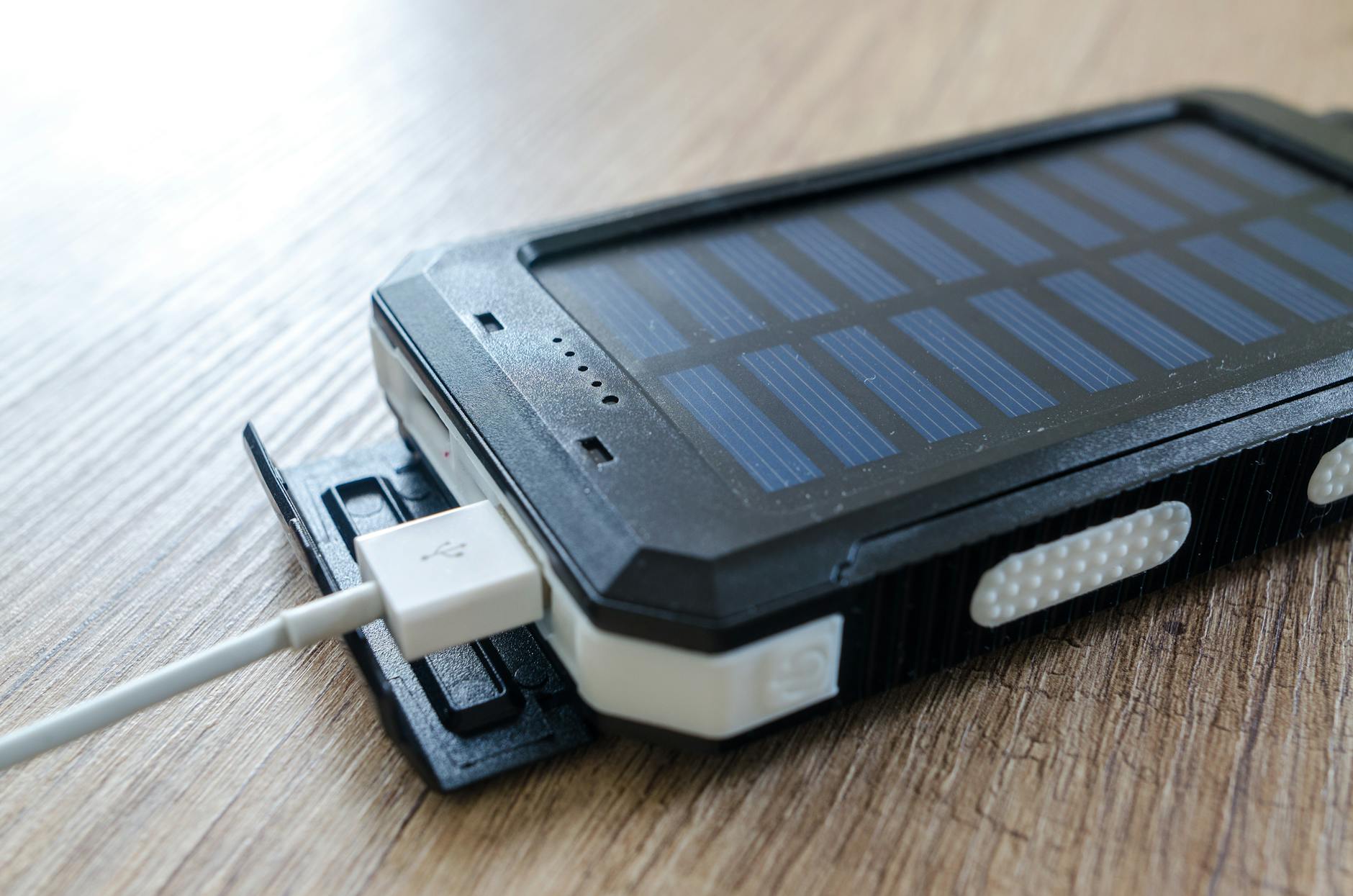
Branded tech accessories have become some of the most sought-after promotional products in the Australian market, and solar power banks sit right at the top of the wish list for forward-thinking businesses and marketing agencies. They’re practical, they align with growing sustainability values, and they carry a brand logo into everyday life — on commutes, at festivals, on camping trips, and across outdoor events from Cairns to Fremantle. If you’re a reseller, distributor, or marketing agency looking to source solar power banks for your clients, this guide covers everything you need to know before placing your first order.
Why Solar Power Banks Are Gaining Traction as Promotional Products
The promotional products industry has shifted significantly over the past few years. Clients are no longer satisfied with generic giveaways that end up in a drawer. They want merchandise that recipients actually use, and they increasingly want products that reflect environmental awareness.
Solar power banks tick both boxes. They’re genuinely useful — charging phones, earbuds, and other small devices — and the solar charging element signals a commitment to sustainability without requiring the organisation to overcommunicate that message. The product does the talking.
For Australian businesses in particular, solar charging capability resonates with everyday life. With more sunshine hours than almost any comparable nation, Australia is an ideal market for solar-powered tech. A Sydney-based events company handing out branded solar power banks at an outdoor music festival, or a Perth mining firm gifting them to staff who work in remote areas — these are practical, contextually relevant applications that make the branding stick.
From a reseller’s perspective, solar power banks also sit in a solid mid-range price bracket. They’re not as cheap as branded pens, but they’re not as expensive as premium leather goods or high-end electronics. That makes them accessible to a wide range of clients, from SMEs running annual conference giveaways to government departments in Canberra sourcing staff recognition gifts.
If you’re already familiar with the broader tech accessories space, it’s worth reading our overview of branded tech accessories for promotional use to understand where solar power banks fit within the wider category.
Understanding the Product: What to Look for When Sourcing Solar Power Banks
Before you approach a supplier, you need to understand what separates a quality solar power bank from a cheap unit that will frustrate end users. This is especially important when you’re recommending products to clients — your reputation as a reseller is on the line.
Battery Capacity
Capacity is measured in milliamp hours (mAh). For promotional purposes, units in the 5,000–10,000 mAh range are most common. A 5,000 mAh bank will typically charge a modern smartphone once, while 10,000 mAh offers roughly two full charges. Higher capacity units (20,000 mAh and above) exist but come at a significantly higher cost and may face airline restrictions, which is worth flagging to any client in the travel or events space.
Solar Panel Efficiency
This is where many cheap units fall short. The solar panels on lower-quality promotional power banks are often decorative at best — generating a trickle charge that takes days to meaningfully top up the battery. When sourcing for clients, ask suppliers for the solar panel wattage and, ideally, independent testing data. A reputable supplier will be transparent about realistic solar charging times.
Ports and Compatibility
Most modern units include USB-A output ports and a micro-USB or USB-C input for conventional charging. Some premium models include dual USB-C ports or built-in cables. These specifications matter to end users, so make sure your product brief to the supplier is clear about what your client needs.
Build Quality and Certifications
Look for units with certifications relevant to the Australian market, including CE marking and RoHS compliance. Some suppliers also offer units that have passed UN38.3 testing, which is relevant for clients who plan to air-freight their goods or include them in kits shipped internationally.
For more detail on evaluating tech product quality for promotional orders, our guide to sourcing branded electronics from Australian suppliers offers a thorough breakdown.
Branding and Decoration Methods for Solar Power Banks
One of the most important conversations you’ll have with your supplier is around decoration. Solar power banks have a reasonably generous branding area — typically on the front face or the back panel — but the material finish will dictate which decoration method is most appropriate.
Pad Printing
The most common decoration method for promotional power banks. Pad printing works well on smooth plastic surfaces and can achieve clean, single or multi-colour logos. It’s cost-effective at most MOQs and delivers consistent results across large runs. Most Australian-based suppliers default to pad printing for this product category.
Laser Engraving
Available on units with metal or anodised finishes, laser engraving creates a premium, permanent mark that won’t chip or fade. This is an excellent option for corporate gifting or recognition programmes where longevity and a high-end appearance matter. The tradeoff is that engraving shows the substrate colour rather than the brand colour — worth discussing with clients who have strong colour requirements.
Full Colour Digital Printing
Some suppliers offer digital printing on power banks, which allows for photographic-quality artwork, complex gradients, and full-colour brand applications. This method suits clients with detailed logos or those wanting to include event imagery, QR codes, or promotional messaging alongside their branding.
For a broader understanding of how these methods compare across different product types, our comparison of pad printing vs laser engraving for promotional products is a useful reference.
Minimum Order Quantities, Pricing, and Lead Times
MOQs
Minimum order quantities for solar power banks typically sit between 25 and 100 units, depending on the supplier and the level of customisation required. Some suppliers will accommodate orders as low as 10 units for repeat clients or at a price premium, while large volume orders of 500+ units often unlock significantly better per-unit pricing.
For clients in the Melbourne corporate sector or Queensland government departments ordering at scale, it’s worth requesting tiered pricing breakdowns to help them understand the value of ordering in higher quantities.
Pricing
As a general guide for resellers, promotional solar power banks are typically sourced at wholesale prices ranging from around $15 to $60 AUD per unit, depending on capacity, solar panel quality, build materials, and branding options. You’ll then apply your margin before quoting clients. Always confirm whether setup fees and freight are included in supplier quotes — these can add meaningfully to total landed cost on smaller orders.
Lead Times
Standard lead times from local Australian warehouses generally run between 7 and 15 business days once artwork is approved. If stock is being manufactured offshore and shipped, allow 4–8 weeks. For time-sensitive orders — say, a Brisbane trade show or a Melbourne product launch — always confirm stock availability before committing to a client deadline.
Understanding how to plan around these timelines is critical. Our guide to managing turnaround times for promotional product orders can help you set realistic expectations with clients.
Finding the Right Supplier for Solar Power Banks in Australia
Sourcing the right supplier is the most consequential decision in this entire process. The Australian promotional products market has a wide range of wholesale and distributor options, but quality and reliability vary considerably.
What to Look for in a Supplier
When evaluating suppliers for solar power banks specifically, ask the following questions:
- Can they provide product samples? Never order in bulk without physically testing the product. Check the solar charging function, port quality, and overall build feel.
- Do they carry local stock? Australian-warehoused stock dramatically reduces lead times and removes the risk of customs delays.
- What is their quality assurance process? Ask whether units are tested before dispatch and how they handle warranty claims or faulty units in a batch.
- Can they provide compliance documentation? CE, RoHS, and battery safety certifications should be available on request.
- Do they offer PMS colour matching? For clients with strict brand guidelines, colour accuracy on pad printing matters.
Working with Wholesale Distributors vs Direct Importers
Resellers have two main sourcing paths: working with established Australian wholesale distributors who carry pre-selected product ranges, or sourcing directly from manufacturers overseas (typically through platforms like Alibaba or directly with factories in China). Each approach has tradeoffs.
Wholesale distributors offer convenience, local warehousing, established quality standards, and faster turnaround — but at a higher per-unit cost. Direct importing can unlock significant cost savings at volume but requires more due diligence on quality, longer lead times, and management of shipping logistics.
For agencies and resellers new to the category, starting with a reputable Australian distributor is almost always the right call. As your volume grows and your knowledge of the product deepens, direct importing may become viable.
Our guide to finding promotional product wholesalers in Australia walks through how to evaluate and compare your options.
Positioning Solar Power Banks for Your Clients
Understanding your end client’s goals will help you position solar power banks effectively. Here are a few scenarios where they work particularly well:
- Corporate sustainability initiatives: A Melbourne financial services firm looking to gift staff something that reflects their ESG commitments will find solar power banks align perfectly with that narrative.
- Outdoor and events marketing: A Gold Coast tourism brand running a summer campaign has an obvious use case — solar charging capability is literally relevant in that context.
- Trade show and conference giveaways: At a Sydney tech conference, a branded power bank is far more memorable than a pen or a notepad, and attendees are highly likely to use it throughout the event itself.
- Government and institutional gifting: Adelaide councils and Canberra agencies sourcing appreciation gifts for volunteers or staff will find solar power banks sit at a price point that justifies the spend without appearing extravagant.
For more context on how tech accessories perform across different sectors, our article on the best promotional products for corporate clients covers this in depth.
It’s also worth considering how solar power banks fit within broader eco-friendly merchandise strategies. Our guide to sustainable promotional products in Australia provides useful context for clients who are building a green merchandise programme.
And if your clients are evaluating power banks alongside other tech accessories, our roundup of the best branded tech gifts for conferences and events offers practical comparisons.
Key Takeaways
Sourcing solar power banks as promotional products is a strong opportunity for Australian resellers and marketing agencies — but getting it right requires careful attention to product quality, supplier selection, and client briefing. Here’s what to remember:
- Evaluate product quality rigorously — solar panel efficiency, battery capacity, and build quality vary enormously between price points, and substandard units will reflect poorly on your client’s brand.
- Match the decoration method to the finish — pad printing suits most plastic units, while laser engraving adds a premium feel to metal models; confirm PMS matching capability for brand-colour-sensitive clients.
- Understand your lead times — local stock delivers in 7–15 business days, while offshore manufacturing requires 4–8 weeks; always confirm availability before locking in client deadlines.
- Start with reputable Australian distributors — the convenience, quality assurance, and faster turnaround typically outweigh the cost premium, especially for newer resellers.
- Position the product strategically — solar power banks resonate most strongly with outdoor events, sustainability-focused brands, and tech-adjacent industries where recipients will genuinely use and appreciate them.